The IMPACT Magazine Volume 1
Beyond The Ice
Polar Bears International is shifting the conversation from doom to doing, pairing field science with public education to help people and bears thrive together.
By Izabela Jaroszynski
Scroll down to read

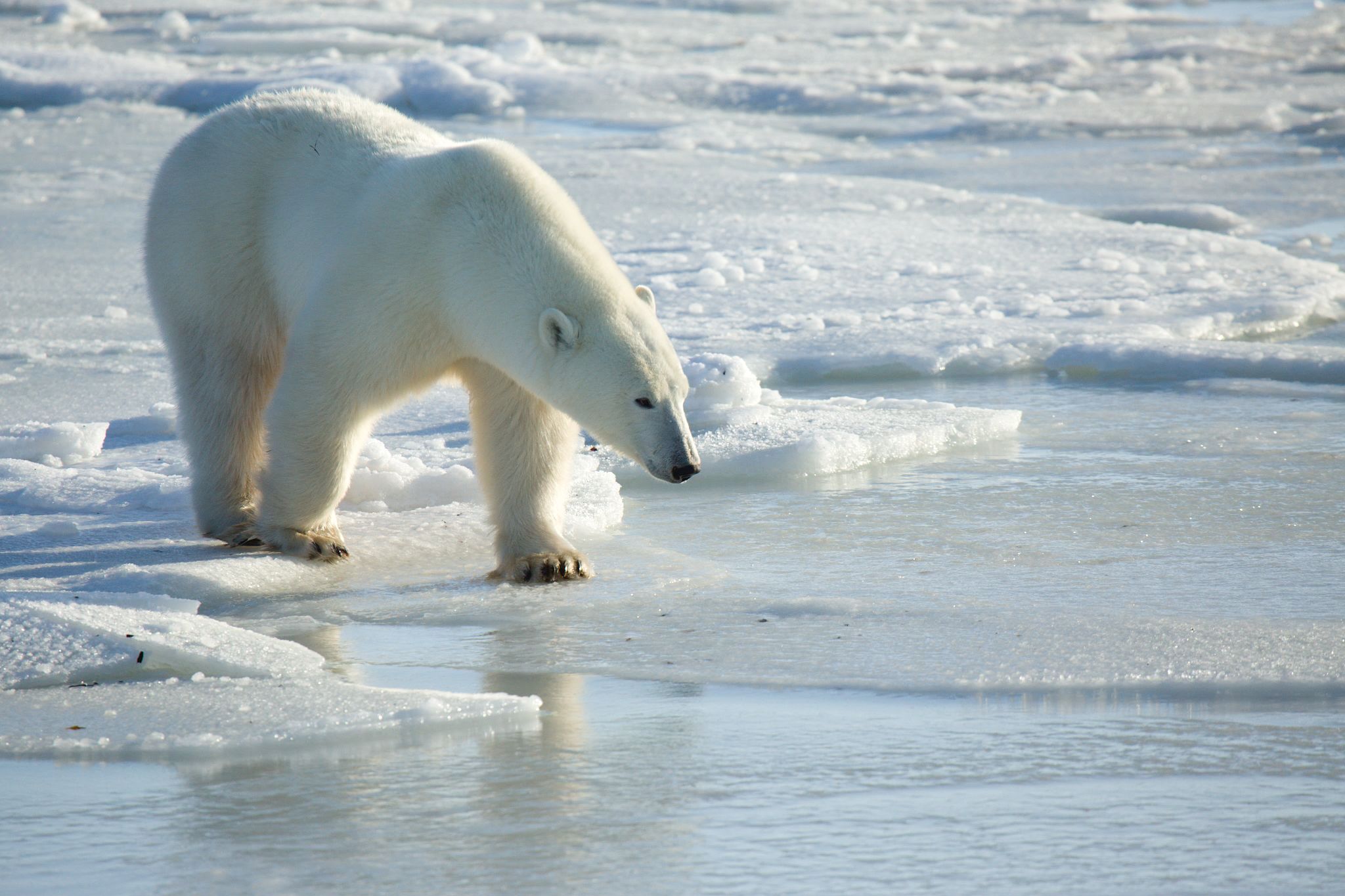
For a generation, a single picture carried the climate story: a polar bear marooned on a shard of ice. The image worked, until it didn’t.
As Alysa McCall, Director of Conservation Outreach at Polar Bears International (PBI), puts it, that trope now makes some people look away.
“For a lot of people, that’s how they relate to polar bears — the stranded bear on the floating iceberg,” she says. “We’re really trying to move away from that. We’re trying to bring the love back and provide more nuance to the conversation.”
That “love” comes from curiosity and understanding. It’s about helping people see polar bears not as symbols of loss but as adaptable, living creatures that share our challenges, and our potential for resilience.

Alysa didn’t plan on a career in the Arctic. “The polar bear thing was actually an accident, a very happy accident,” she says with a laugh.
Growing up in British Columbia, she studied animal biology and spent her university summers tagging deer mice and tracking badgers. “I was looking for a job with mice, with rabbits. That’s what I knew,” she said.
The plan shifted the day her professor introduced her to Andy Derocher, one of the world's leading polar bear scientists. Andy had just secured a research grant and needed help. "He kind of believes in serendipity too," she said. "He told me, 'Come aboard!'"
Her first trip to the north was to Churchill, Manitoba, where she slept on a tundra buggy just outside town.
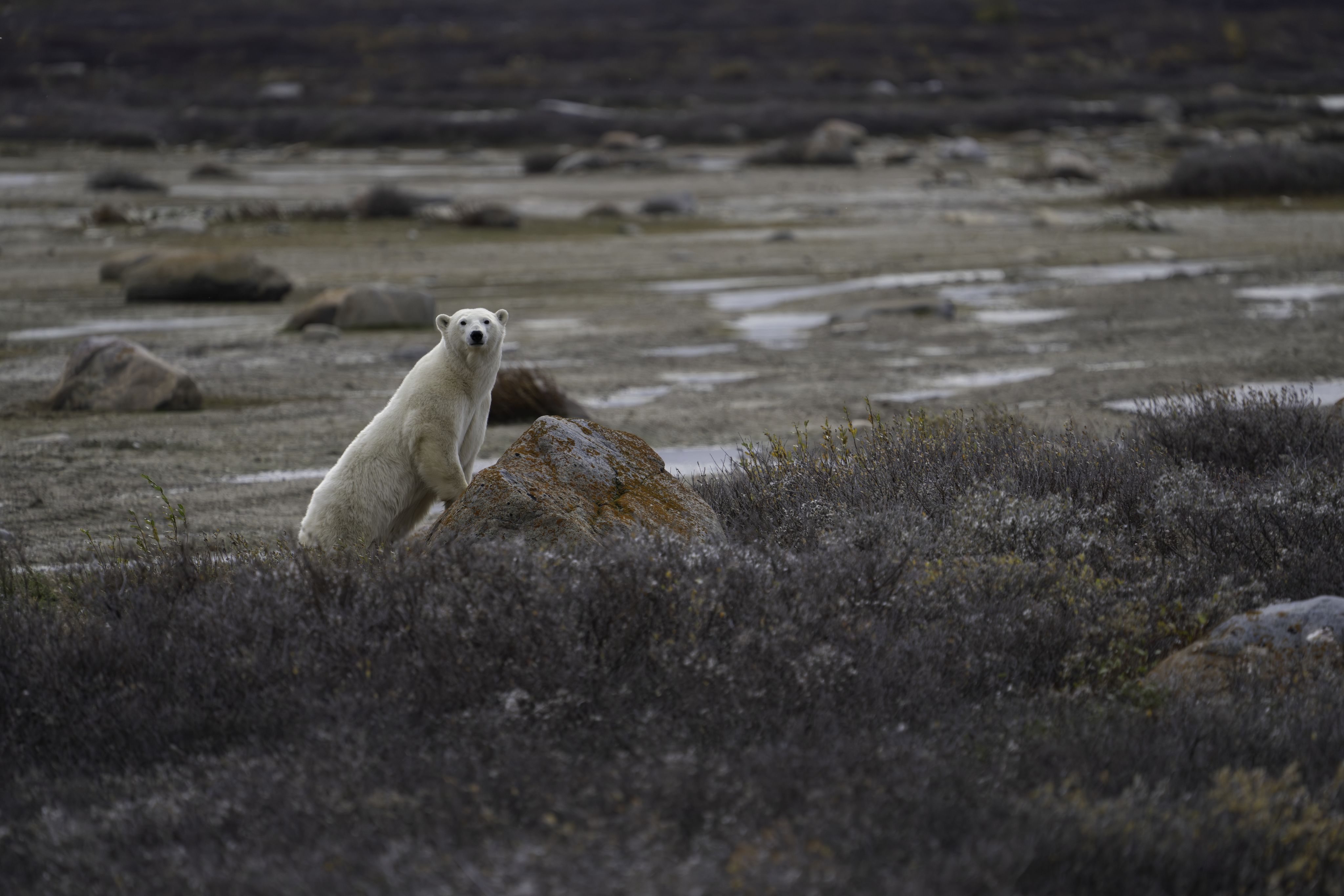
"We went out on the tundra late at night on a tundra buggy. So it was pitch black. I didn't see anything. I slept on a tundra buggy and I woke up in the morning and my colleague says, 'Hey, do you see that like lump right there that looks like a rock?' I said, 'Yeah.' He said, 'That's a polar bear. Just watch it for a while.' I didn't have my polar bear eyes on yet, so I like watched it for a bit and then all of a sudden I remember it stood up and I was like, 'Oh my god, it's a polar bear right there.'"
That moment, she says, changed everything.

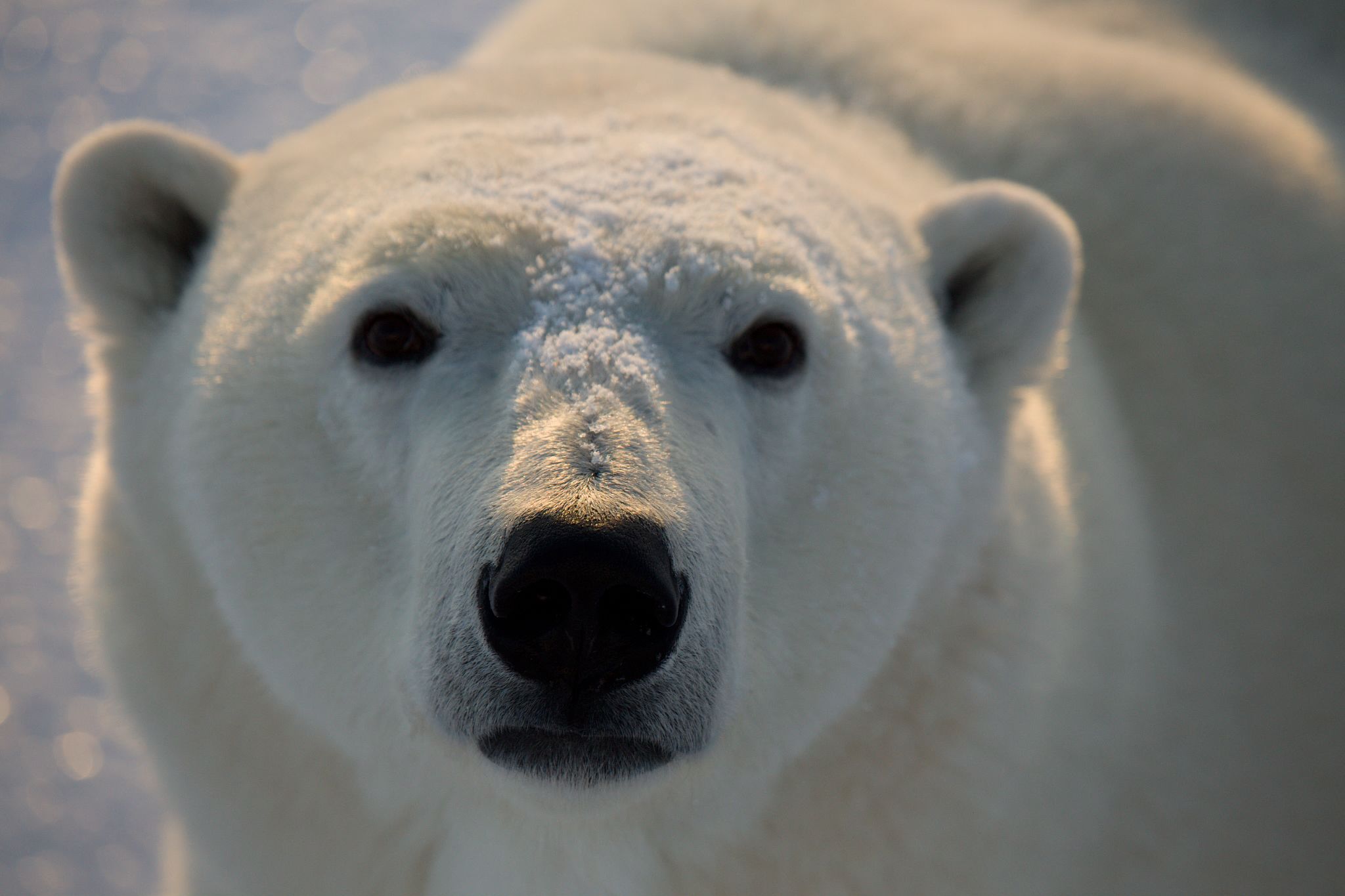
Photo: KT Miller/Polar Bears International
Photo: KT Miller/Polar Bears International
“I just obviously fell in love with the Arctic and the bears and this type of conservation and so I’ve stayed ever since.”
Studying polar bears turned everything she knew about field science on its head. With small mammals, she could measure change within a season — manipulate water, grazing, fencing — and see an immediate response.
Polar bears are the opposite. “I can’t just grow more ice or put fence around ice or manipulate things in real time because they’re only reproducing every three years, if that.”
The lesson was patience. “We call it slow conservation,” Alysa says. "It can be frustrating in a way but we just know it is just going to take a while and we just got to keep at it."
This is conservation not as crisis management, but as long-term relationship building — with the land, with communities, and with the species that call it home.

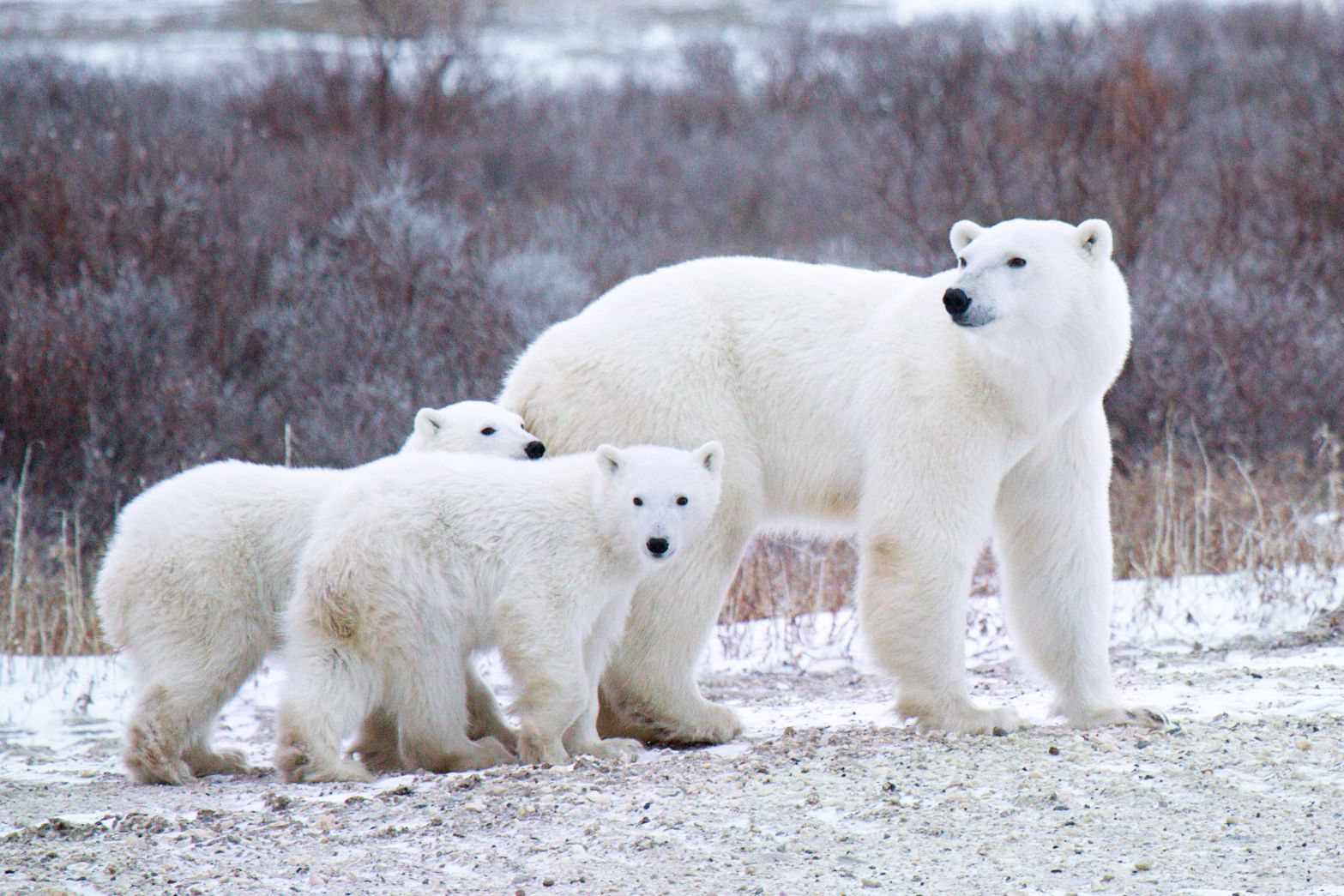

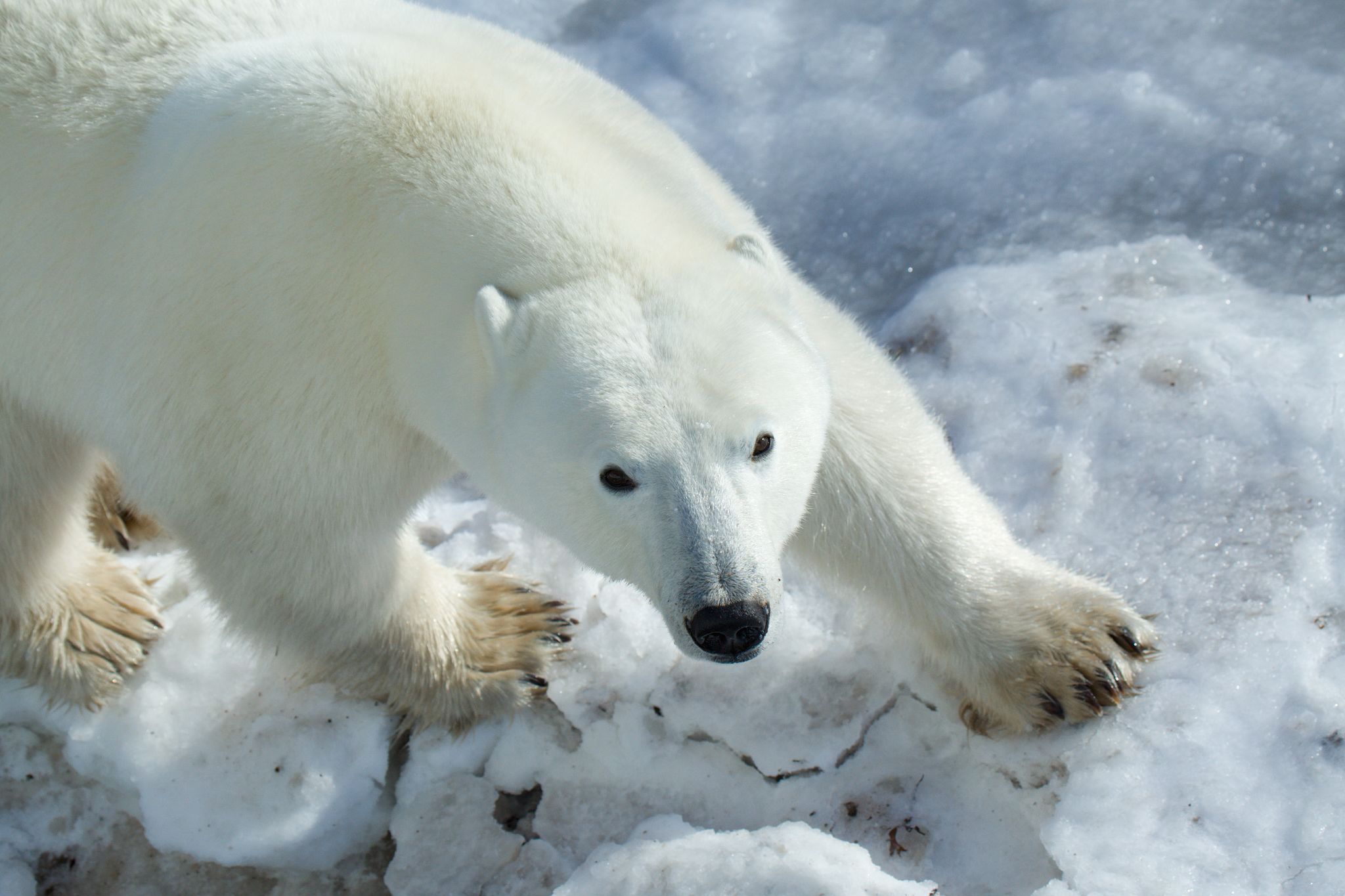
Nowhere captures that balance better than Churchill, Manitoba — where polar bears regularly wander into town and coexistence is both urgent and personal.
When Alysa spoke about polar bear conservation at the 2024 IMPACT Conference, she cited the town's indoor waste facility as a model that had dramatically reduced human-bear interactions. Unfortunately, the facility burned down and funding has not yet been secured to reconstruct something similar.
"It has been very difficult to manage," she says. "One of the biggest things we can do is waste management. It's really quite unsexy but it is so important."
PBI is working with the community to install electric fencing, relocate and cover waste, and plan for an incinerator and composter — steps that could become models for other northern towns where composting is notoriously difficult.
The innovations extend beyond infrastructure. PBI is testing radar systems that detect bears near town, drones as non-lethal deterrents (bears seem to dislike the buzzing), and a less harsh alternative to bear spray — one that deters animals without endangering people.
Every new tool, she stresses, is paired with local knowledge. The Churchill Bear Smart Working Group — which includes residents, tour operators, and the province — meets regularly to set standards for safety and tourism. It’s not just about keeping bears away; it’s about helping humans live smarter around them.
That collaboration matters, because Churchill is also one of the few places in the world where travellers can reliably see polar bears in the wild. Tourism, Alysa admits, is both opportunity and risk.
“You want people to go because when people go, they care,” she says. “They fall in love with things, they care about them, and then they will support them. But sometimes too many people going breaks what we’re trying to keep together.”
She’s talking about a growing trend known as last-chance tourism — travellers rushing to see species or landscapes before they disappear.
“People are realizing, ‘Hey, I better go check this out right now.’ And then there’s this question of how to do that ethically — how to make those trips really matter for conservation.”
PBI is exploring ideas like a local tourism levy, better visitor education, and tighter guidelines for safe viewing distances. Through community exchanges with Svalbard, Norway, Alysa and her colleagues are comparing what works across borders — same species, different realities, shared goals.
Polar Bears International operates on two levels: long-term and short-term.
The long-term work targets climate change — through education, advocacy, and policy. “We need to get working on climate change now — yesterday,” Alysa says plainly.
The short-term work is grounded in field research: den detection and protection for mothers and cubs, coexistence strategies for northern communities, and technology pilots that save bears and people alike.
It’s data-driven, yes — but also deeply human.
“We’re really focused on education, on policy work, on media,” she says. “Making sure the story is being told in a way that’s factual and inspirational.”
PBI’s research informs global policy, while its outreach helps shift public perception from despair to determination.
For all the attention polar bears get, Alysa points out that we still know surprisingly little about them.
There are now 20 distinct populations across the Arctic — including a newly identified group in an eastern part of Greenland that hunts seals from glaciers — and many of them remain understudied.
Some, like the Western Hudson Bay population, have already declined by half. Others are adapting in ways that defy prediction.
“Where we are seeing a lot of warming, we are seeing changes in polar bears," she says. "We are not going to fix it in the near future, but I'm hopeful we can at least stabilize things and reverse trends at some point."

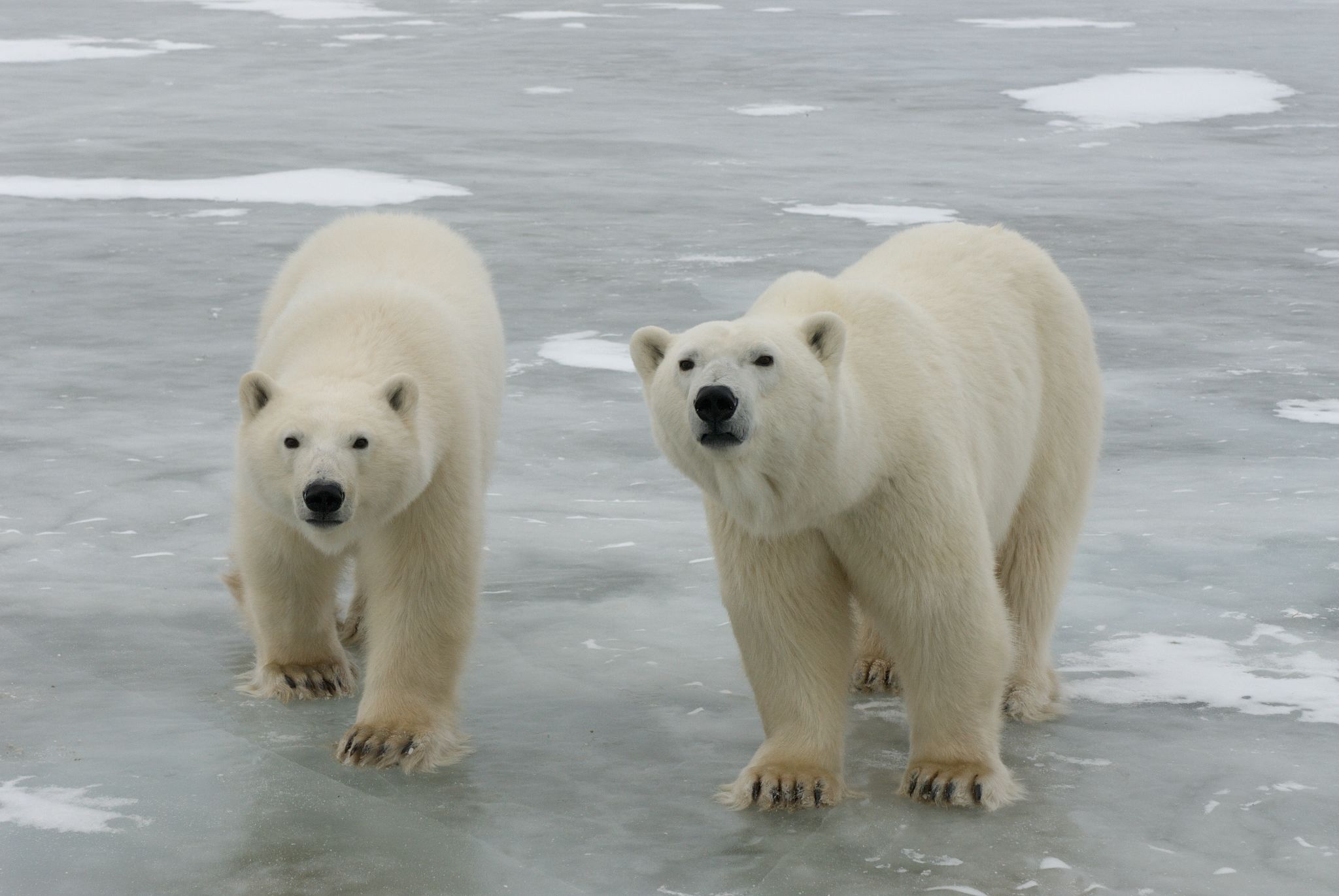

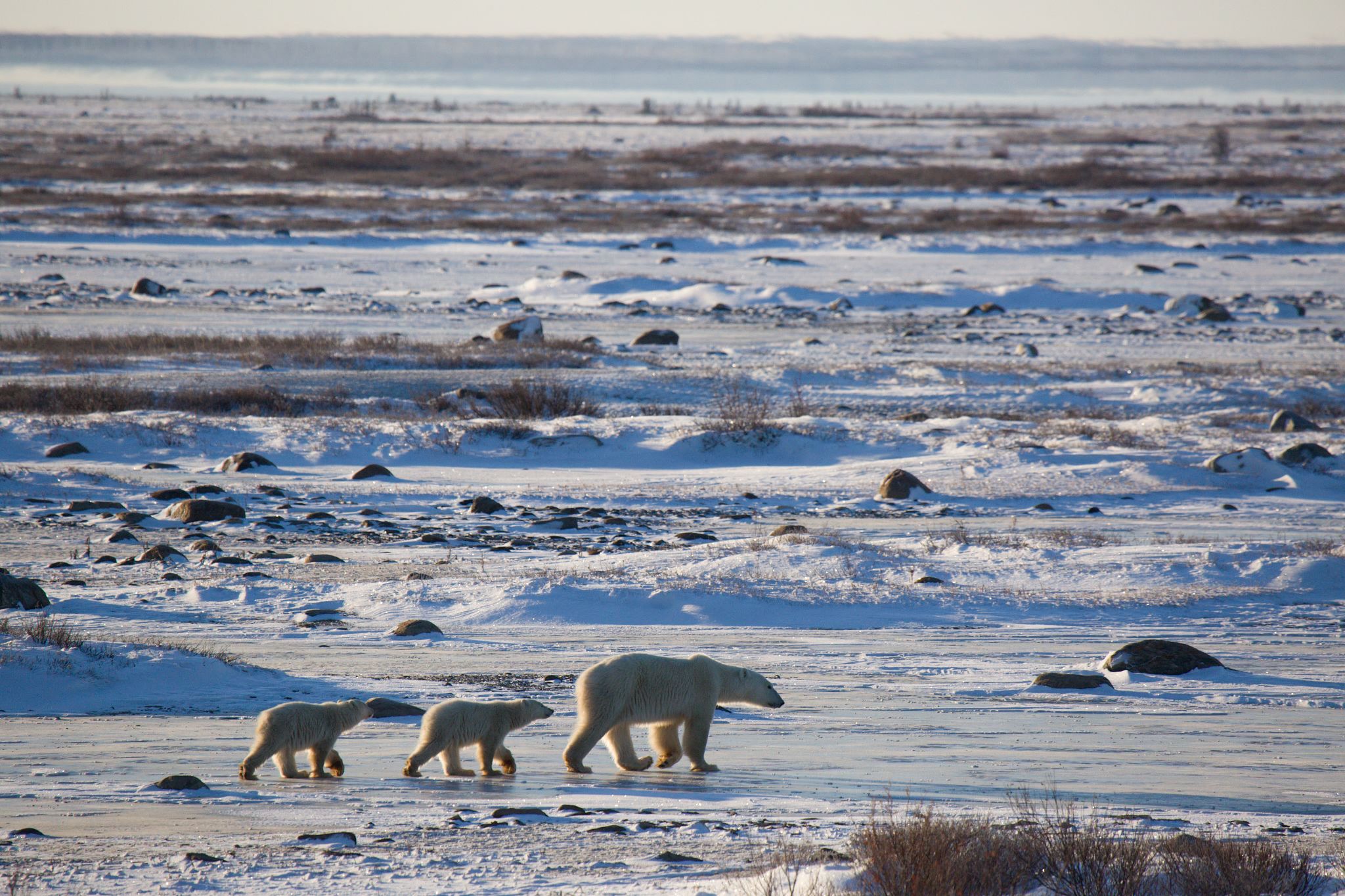
Alysa's work circles back to that single, haunting image — the polar bear on the ice floe. It isn’t wrong; it’s just incomplete.
If the old image was about fear, the new one is about connection: a shared future on thinning ice, where hope, data, and patience coexist.
"I will say we are hopeful, because at the end of the day, whatever we're doing for polar bears, we're doing for ourselves," she says.
"As the polar bears deal with food issues, humans deal with food issues. As polar bears have to move because their habitat declines, humans are moving because their habitat is getting worse. We are all so linked. We’re almost living in these parallel worlds. Whatever’s good for them is good for us — and vice versa.”
Want to support polar bears?
Alysa encourages people to start close to home — talk about polar bears, push for smarter climate policy, and, if you can, support Polar Bears International’s research and education work directly at polarbearsinternational.org