The IMPACT Magazine Volume 1
Inside Parkside
Doing The Work of Sustainable Hospitality
In Victoria, British Columbia, Parkside Hotel & Spa stands as proof that an urban property can be both commercially successful and deeply sustainable.
By Izabela Jaroszynski
Scroll down to read

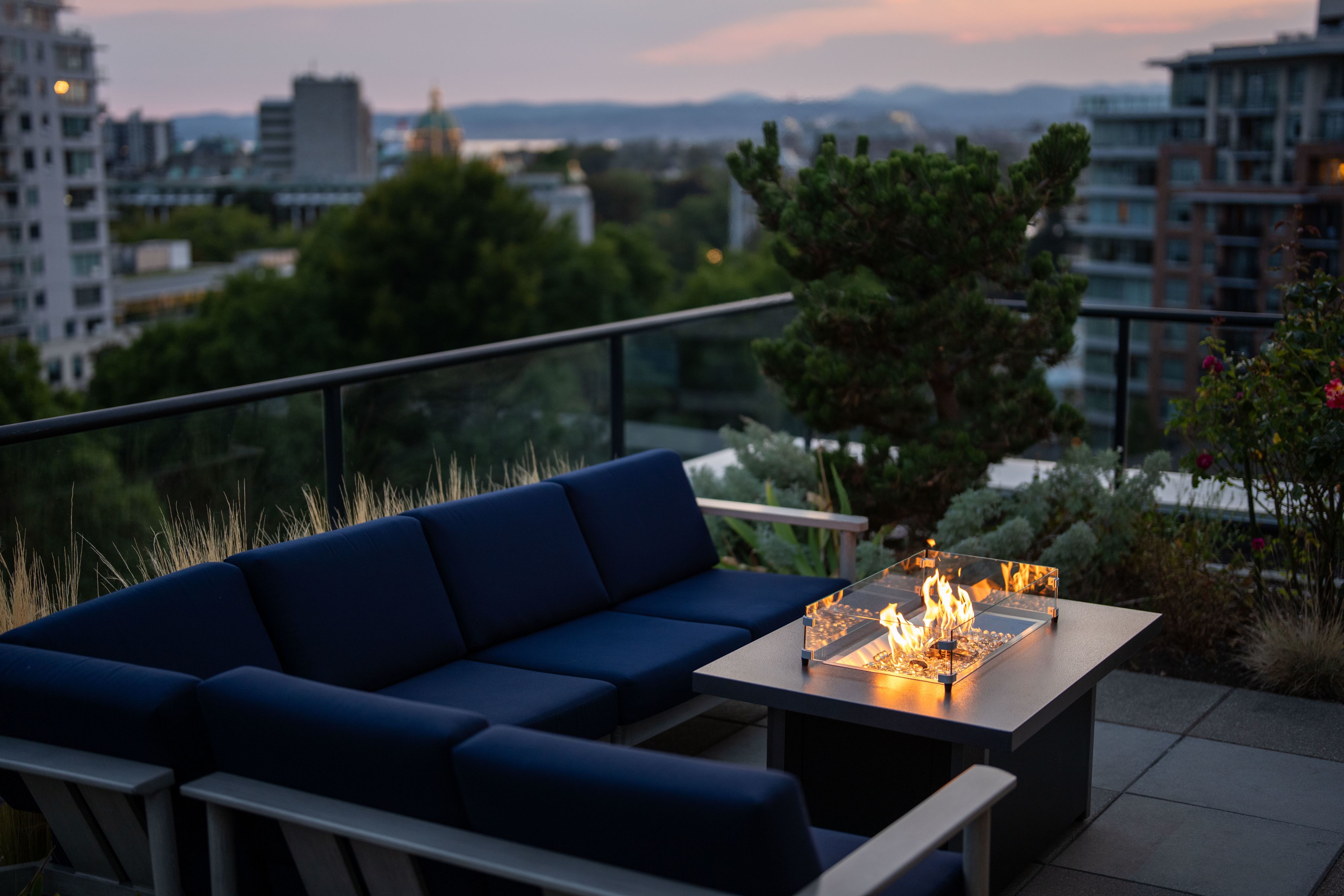
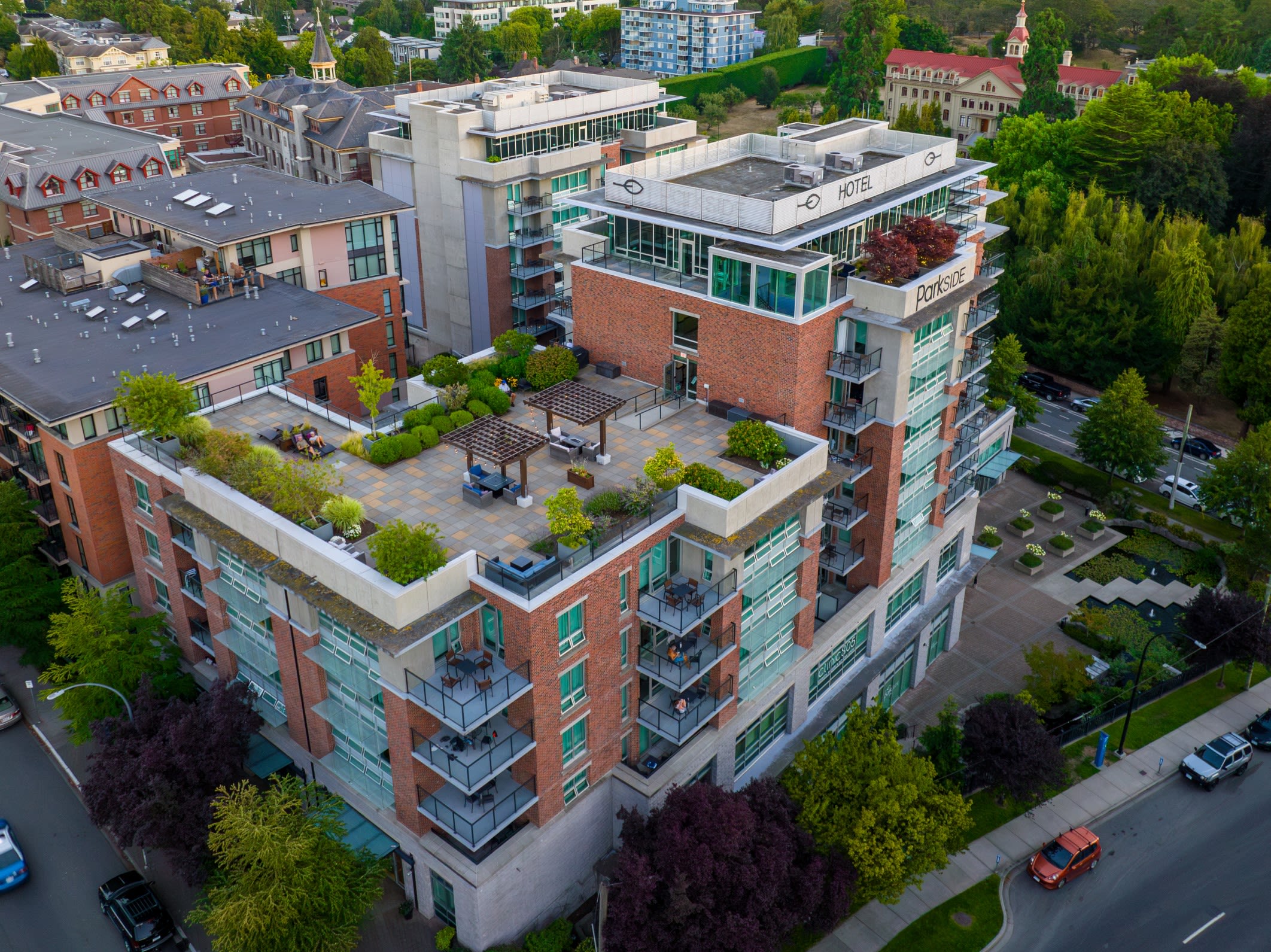
The sound of water greets guests before the front desk does. Light spills through glass walls onto living plants and a courtyard pond, softening the edges of downtown Victoria.
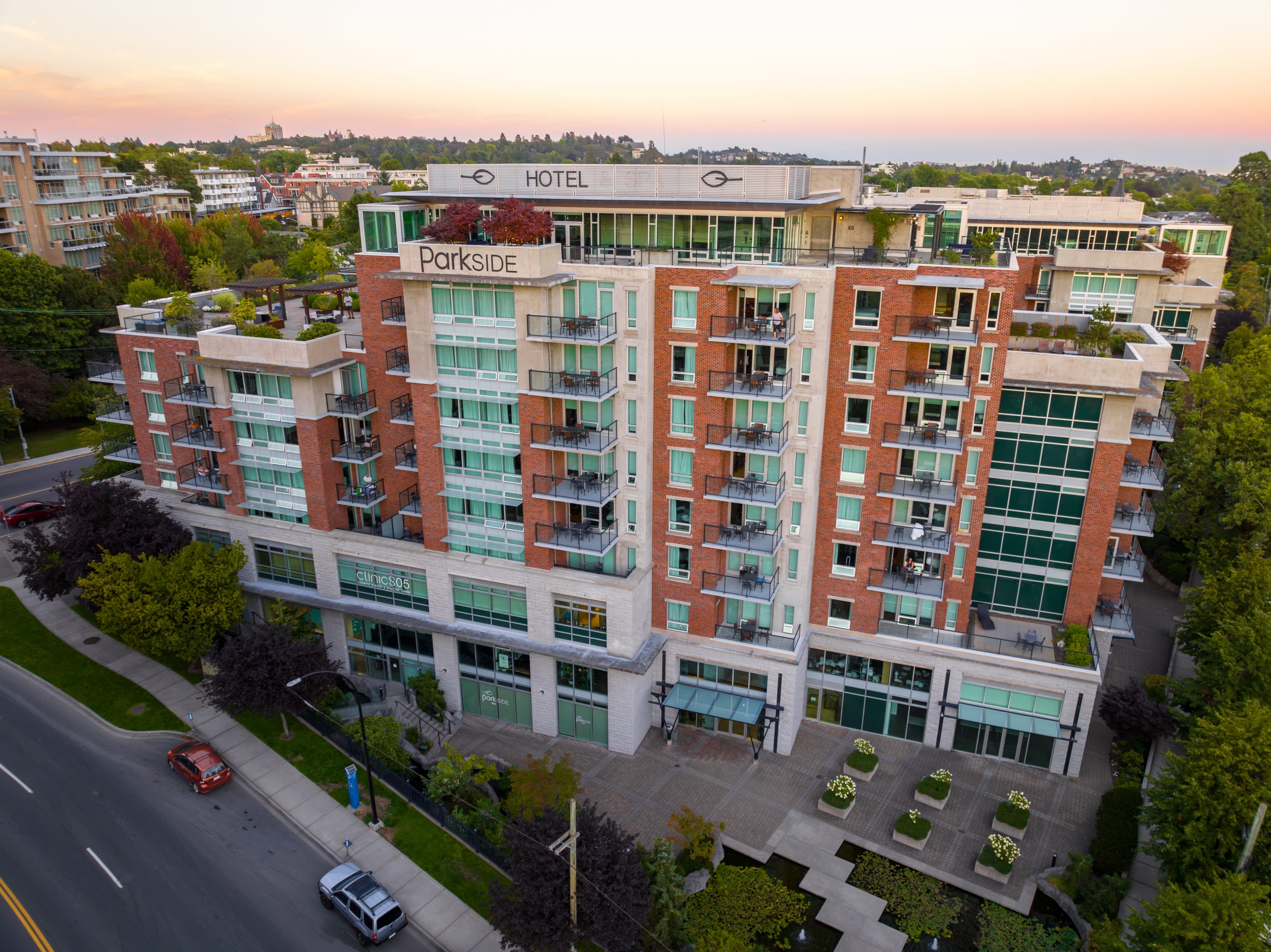
Since opening in 2009 as a purpose-built LEED Platinum building, Parkside Hotel & Spa has worked to show that hospitality can be profitable and ethical at the same time.
“The original owners wanted to build a business model to show the world that you could be responsible and make money — and do it ethically and with a sense of stewardship,” says General Manager Trina White, who has been with Parkside since day one. “All we’ve done is become more radical since then.”
That radical streak started to take measurable form in 2016, when Parkside began to track its greenhouse gas emissions.
“We work with Synergy Enterprises,” Trina says of the initiative. “And we’ve measured it every year since.”
The process was eye-opening.
“At that time I was very new to it — we had no sense of what our footprint was,” she recalls. “I remember being surprised by how much waste diversion we already had; we were around 70 to 75 percent. And then learning that pretty much 75 percent of our footprint is natural gas. And it always will be, right? So how do you fix that?”
Those questions became the foundation of Parkside’s approach: focus on the hard stuff, celebrate what’s working, and share the learning.
“Before we even started measuring, I wanted to work behind the scenes on the obvious, low-hanging fruits so that when we started, we were starting at a good spot,” she says. This included reducing waste, paper, water, electricity, and natural gas use, while encouraging active or alternative commuting among staff.
By 2019, Parkside became carbon neutral — only the 2nd hotel in all of British Columbia to reach that milestone.
“We had a few years of benchmarking and were seeing constant improvement,” Trina says. “Not every year is perfect, but it is going in the right direction.”

Today, the hotel diverts more than 90% of its waste from landfill (94% in 2023 and 92% in 2024), making it nearly a zero-waste operation. That achievement isn’t confined to back-of-house bins. It includes the spa, café, banquets, events, and every business under the same roof.
Much of that success comes from an obsession with circular thinking.
“We’re really big on the circular economy,” Trina says. “It’s been a big part of how we got our waste diversion down.”
The hotel employs an in-house seamstress who transforms old shower curtains into linen bags for laundry and housekeeping carts.
“We remake a lot of stuff,” says Trina. “When we changed out all our curtains, we sent them to a company in Richmond who turned them into shopping bags for us. Now every guest room has complimentary use of reusable shopping bags that were made from our curtains. Those curtains would have just gone to landfill.”
Guests love them.
“Everybody who uses the bags says, ‘It feels like a curtain.’ And I’m like, ‘It is.’”
That spirit of experimentation runs through every department. Sometimes it starts with Trina. Other times, it bubbles up from the team.
“Maintenance took one of our green roofs — just this huge garden bed sitting there doing nothing — and started growing potatoes and tomatoes,” she says. “I had no idea they were doing it. One day I went into the staff room and there were like 200 pounds of potatoes for staff to take home."
What began as an improvised project six years ago has turned into a staff-run garden that now grows broccoli, cauliflower, garlic, Brussels sprouts, and cabbage — all for use by the staff.
“It’s a place for staff to go and putter in a garden because a lot of them don’t have access to garden space,” she says. “The hotel pays for the seeds and starters. It’s just a little thing, but it makes a big difference. I talked to one of our team members the other day and she said, ‘It’s just so nice to be able to, for 30 minutes once a week, putter in the garden.’”
Parkside’s drive to push boundaries has led to some unexpected collaborations — including one with the Sierra Club of British Columbia.
While respecting the club's mission and beliefs, Trina wanted to showcase a different side of tourism so she invited the organization’s program leads to attend the IMPACT Sustainability Travel & Tourism Conference in Victoria. “I said, ‘Come to this conference called IMPACT so you can see firsthand how our organizations can work together,’” she recalls.
Parkside has been a sponsor of IMPACT since the very first conference, and hosts a popular evening event at their property each year.
After two days at the conference, a member of the Sierra Club BC saw the changes and steps that the tourism industry is taking to be more sustainable — and that lead to a partnership with Parkside.
Together, Parkside and the Sierra Club launched a trails program for Earth Month featuring two maps: one highlighting local ecosystems, offering guests walkable, bikeable and day-trip options to explore and appreciate the region's natural beauty; the second map was for those looking to visit and learn about the old-growth forests on Vancouver Island.
In the month of April, in honour of Earth Month, Parkside donated $1.00 from every room night to the Sierra Club BC. "We raised over $3,000 that month," Trina says. The partnership will become an annual fixture in April in the years to come.
It’s about connecting people to place in a different way,” Trina says. “People don’t protect what they don’t understand. They have to see it, touch it, experience it.”

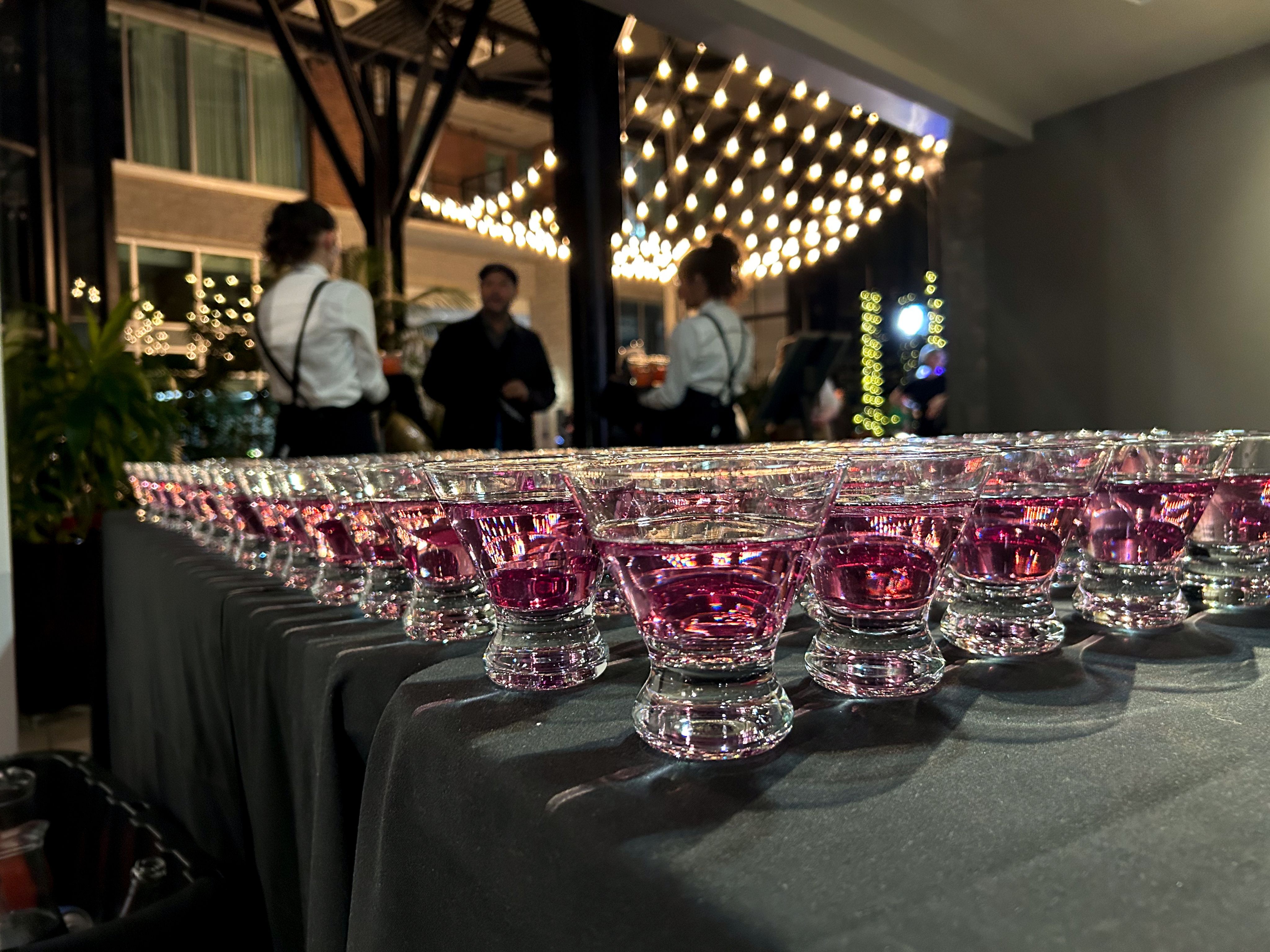

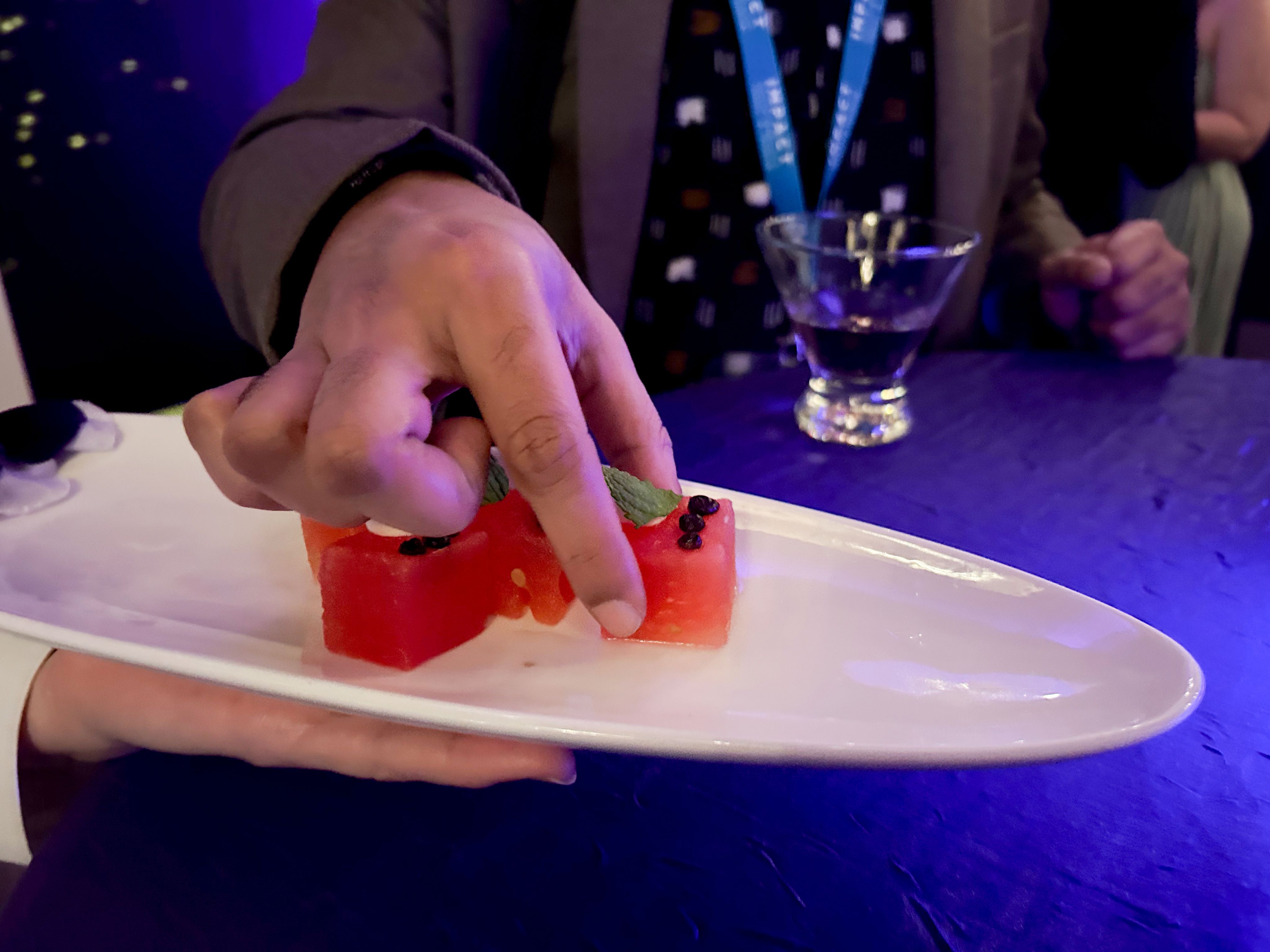

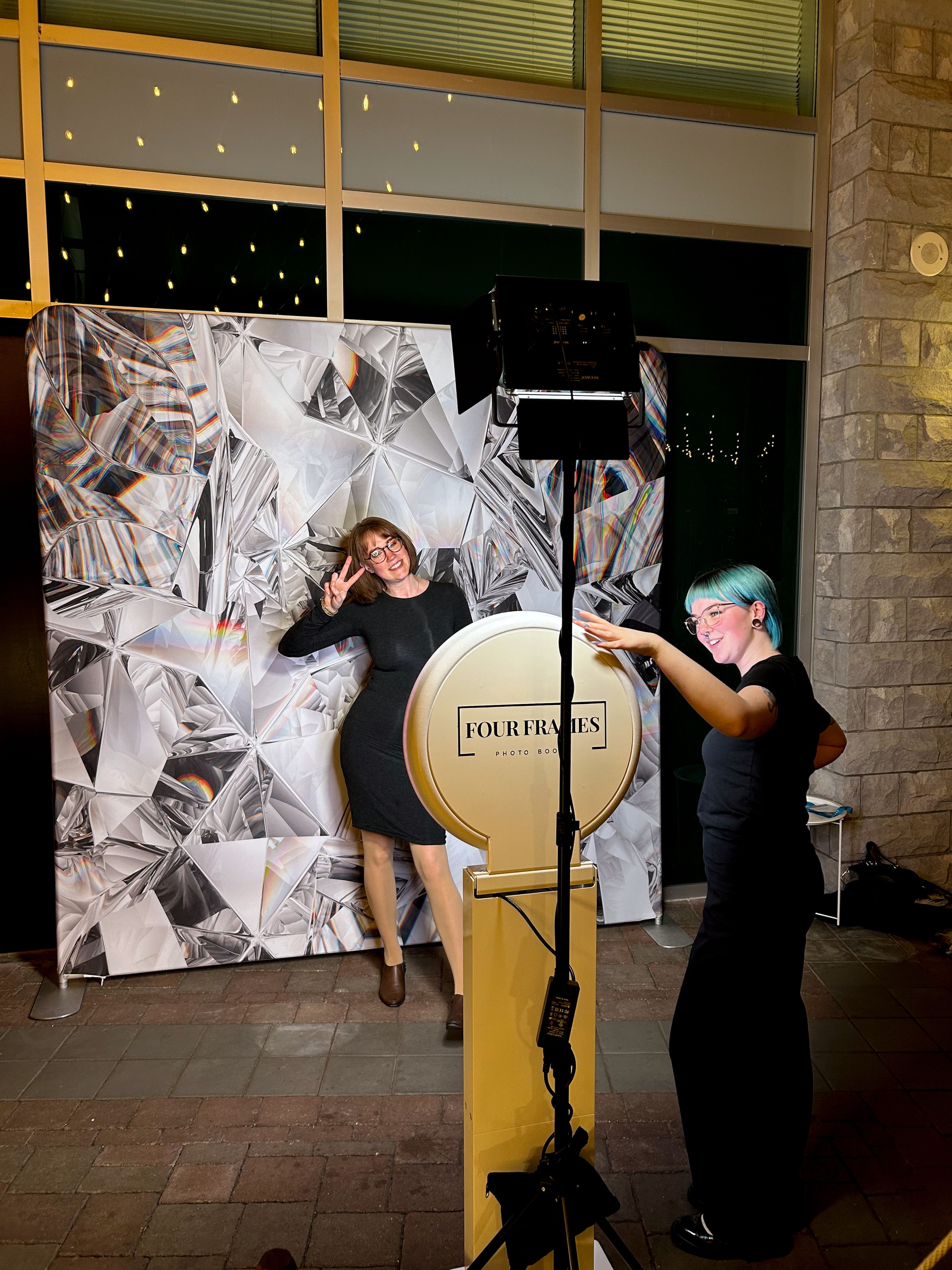

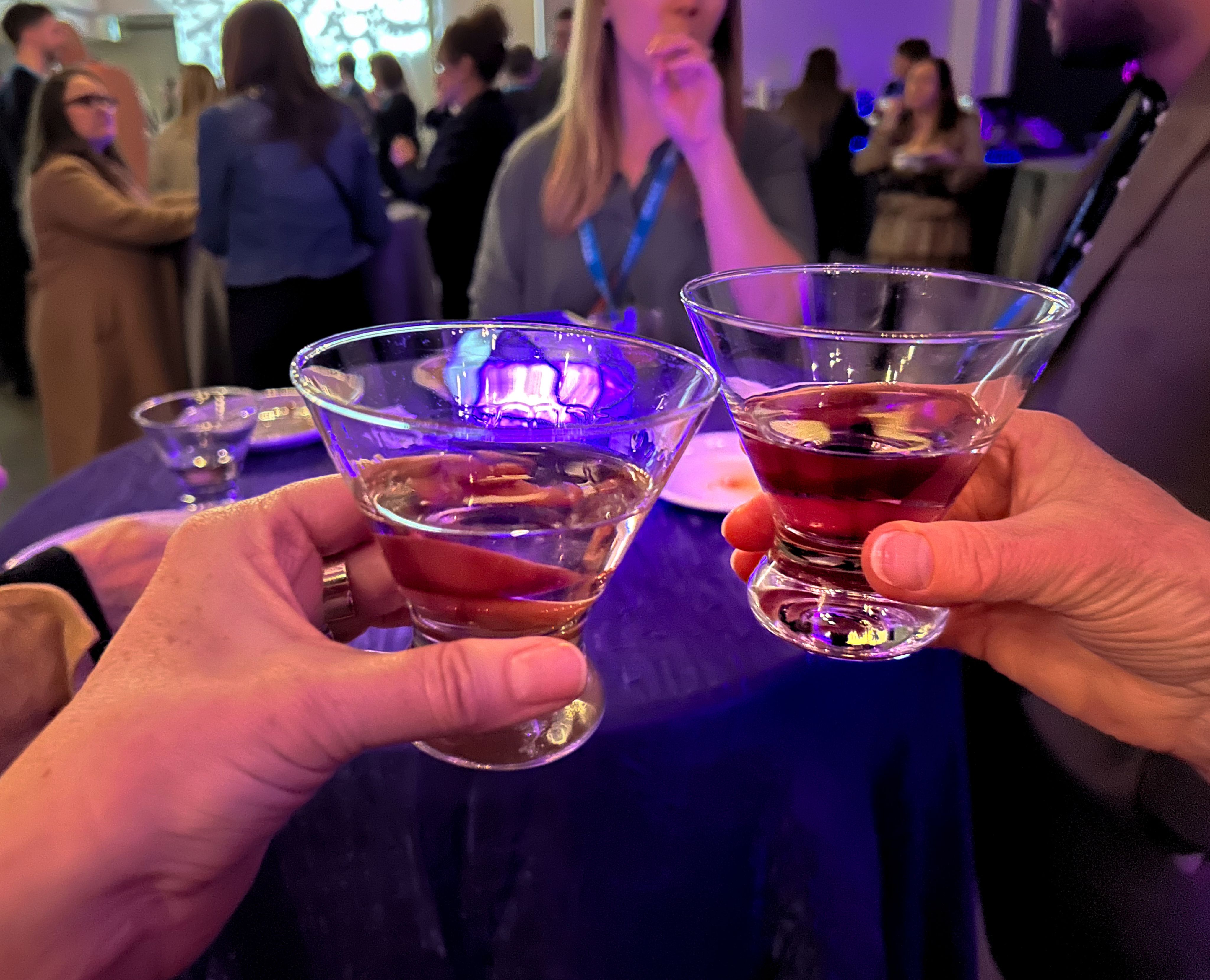

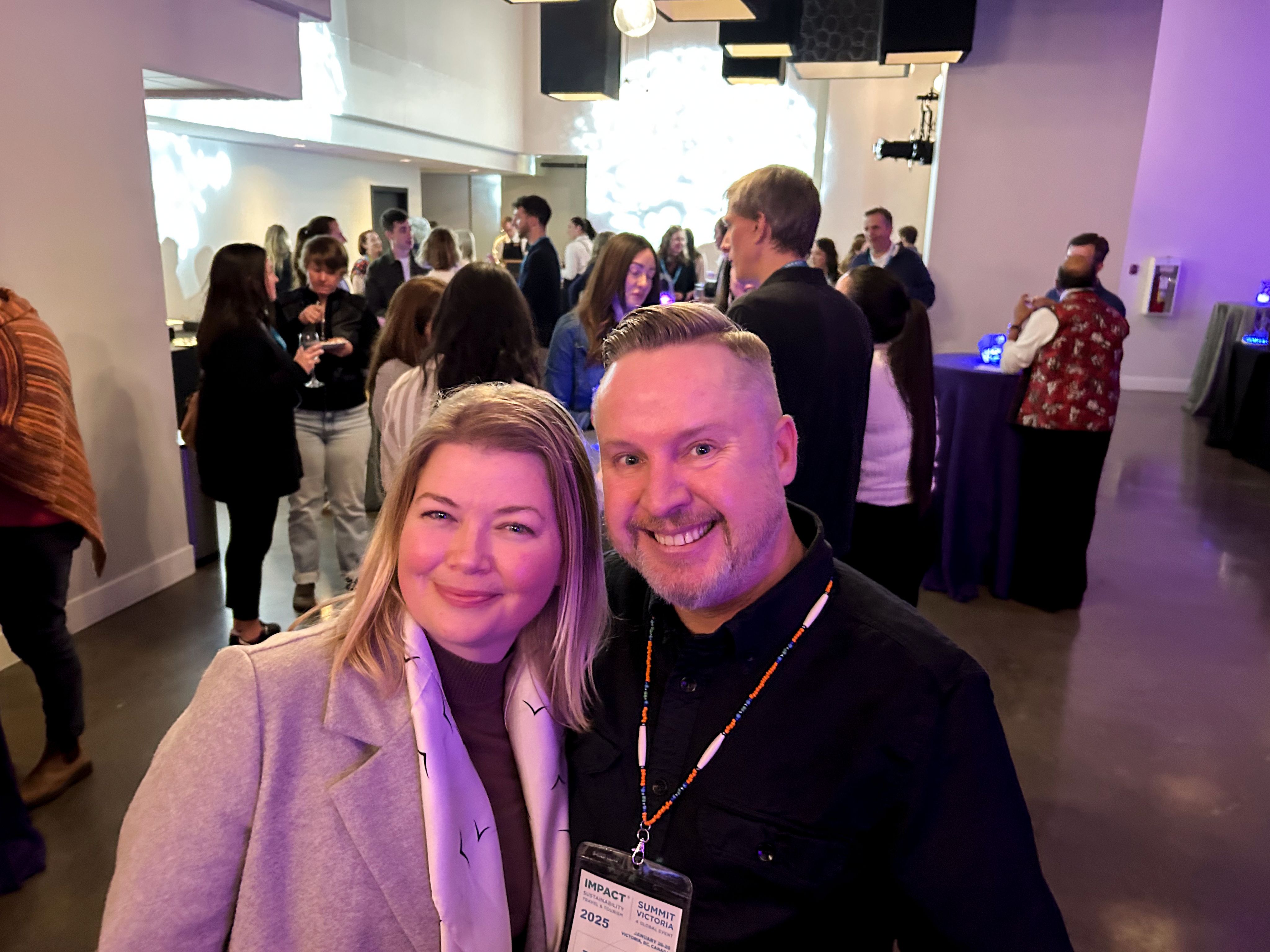

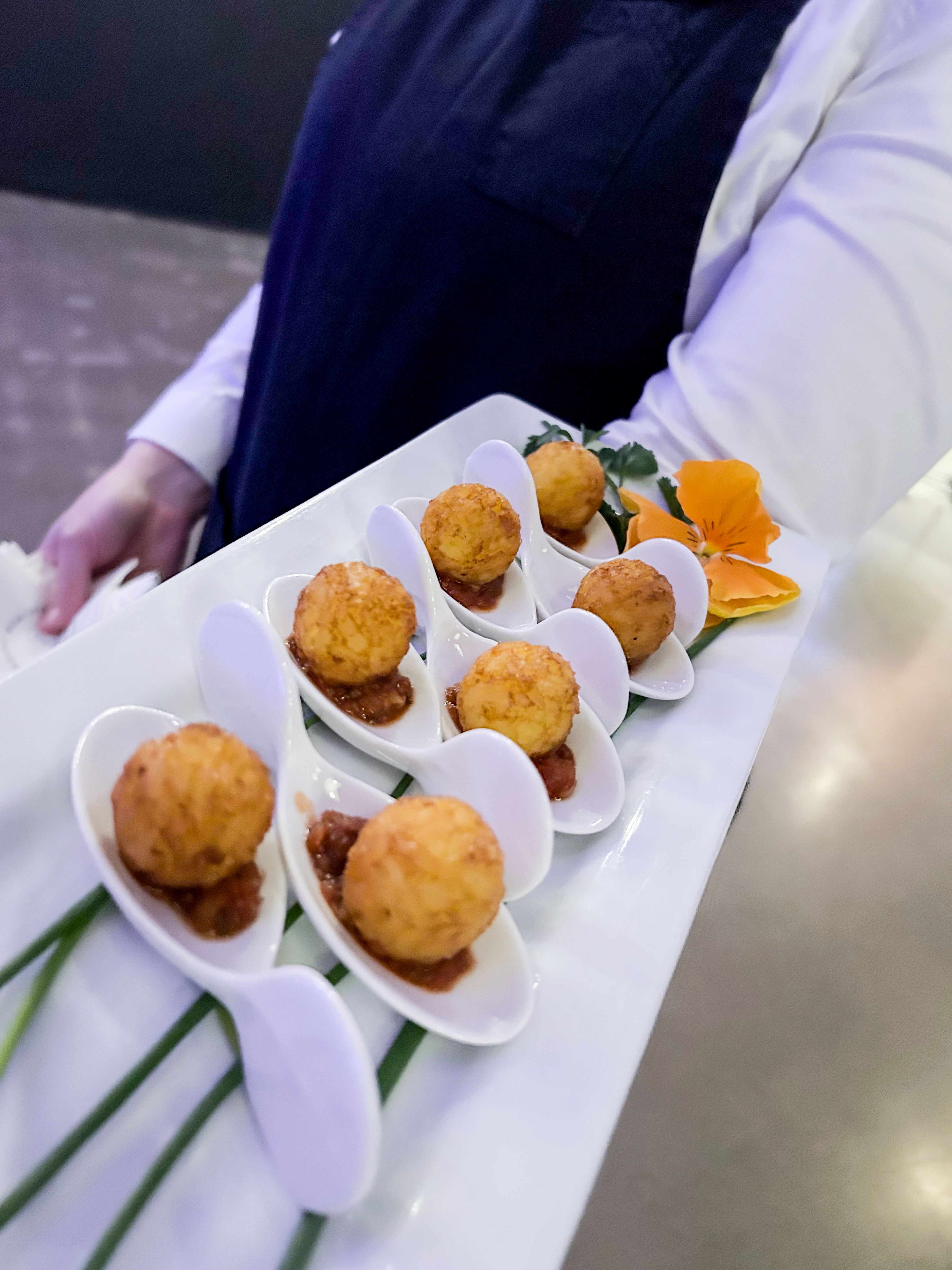

IMPACT event at Parkside
IMPACT event at Parkside


Trina's passion for environmental work is personal. Born and raised on Vancouver Island, she grew up in a multi-generational forestry family. “We were always outside, and I saw a lot of clear-cuts in my life,” she says. “When I was about 14, my aunt (who was a radical hippie) took me mountaineering in Strathcona Provincial Park. I was just moved by it all. That’s what started me questioning forestry and all kinds of resource extraction.”
She studied biology, flirted with forestry and silviculture, then discovered tourism.
“I thought maybe I could take what I already knew and apply it to tourism,” she says. “Back in the late 90s, that’s when ecotourism was just starting to take hold. I thought, this could be a great avenue for environmental stewardship.”
For nearly four years, she worked as a tour guide leading 12- and 21-day adventures across Western Canada.
“I got to do it all — hiking, river rafting, camping,” she says. “It was amazing, but it was exhausting. You live in a tent for six or seven months of the year, you’re on the road 24/7. But it really shaped me.”
Eventually she moved into hotels, bringing that same ethos indoors. “I started with Delta Hotels just trying to understand how hotels function,” she says. “Didn’t even try to change the world at that time. I was just learning.”
That learning curve led to Sandman Hotels, then to her first general manager role at Brentwood Bay Lodge, and finally to Parkside.
“By then I’d done my master’s in tourism management and sustainability,” she says. “Parkside was purpose-built for environmental design. It was a perfect fit.”

Parkside has supported the IMPACT Conference since its inception. “I remember when I first heard about it,” she says. “There was no sponsorship package yet, and I just said, ‘Sign us up.’ We’ve supported them ever since. Every year I send a few of our team. I like to pick people from different departments — people who’ve been with us a while — so they can go learn and come back inspired.”
For her, the conference is more than professional development. “It’s not about white papers and theory,” she says. “It’s about boots on the ground and doing it, getting your hands dirty and seeing what actually works and what doesn’t. That’s what I love about IMPACT.”
And it’s what she loves about her work. “You need people who are mavericks,” she says. “The rest of the industry trucks along behind. They’re past recycling, they’re starting to get into eco-efficiencies, but if there weren’t those people at the front, we wouldn’t even be recycling yet.”
From its LEED foundation to its rooftop garden, Parkside shows what happens when measurement, creativity, and curiosity combine. Some guests come for the pool and discover the purpose later. Others book because of the ethos. Either way, Trina's goal is the same: keep experimenting, keep sharing, keep improving.
“We’re just doing the work,” she says. “Sharing what works, trying to make it a little better every year.”