The IMPACT Magazine Volume 1
Into the Path of Magic
How a small-ship operator on the BC coast is helping grow a conservation economy
By Izabela Jaroszynski
Scroll down to read

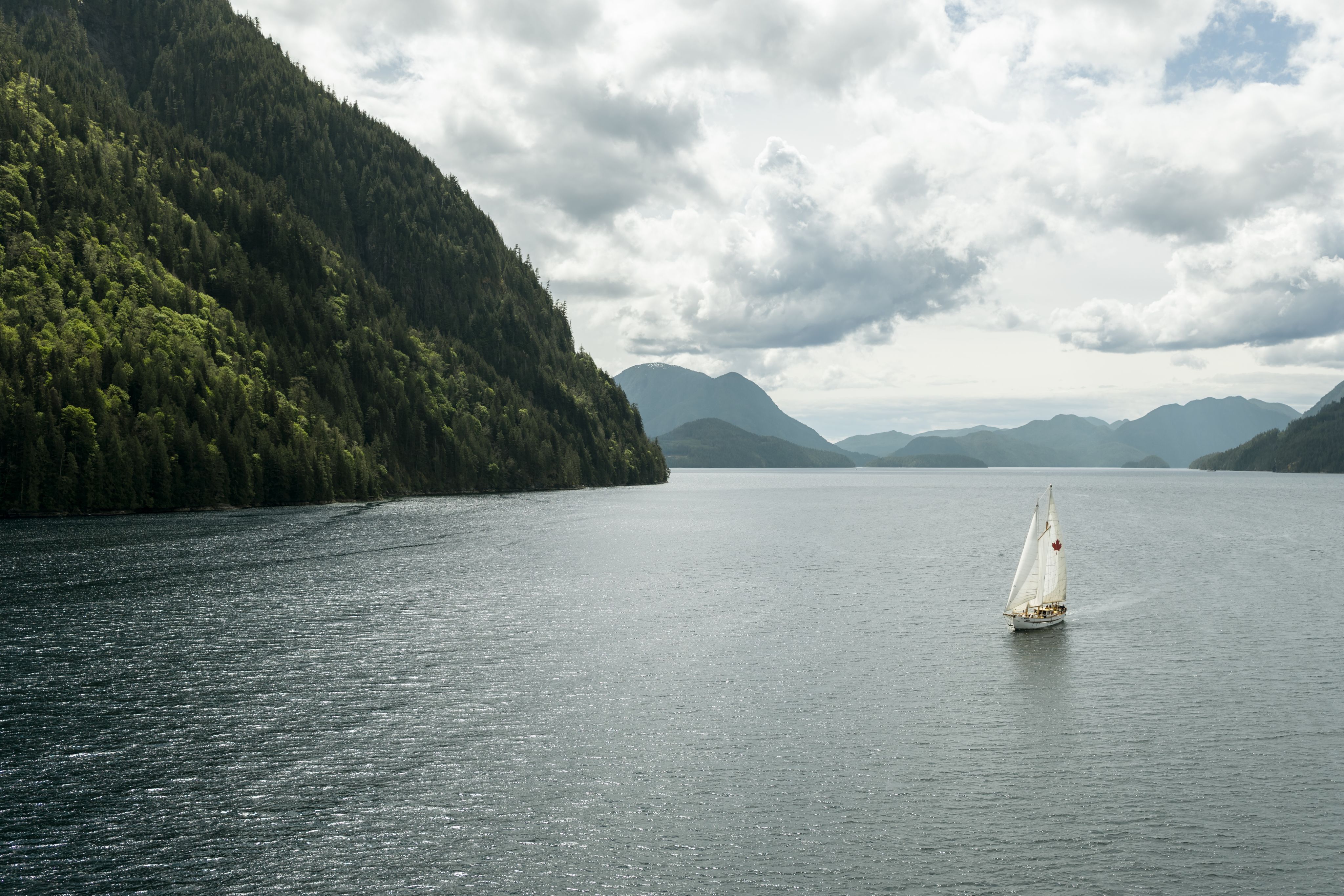
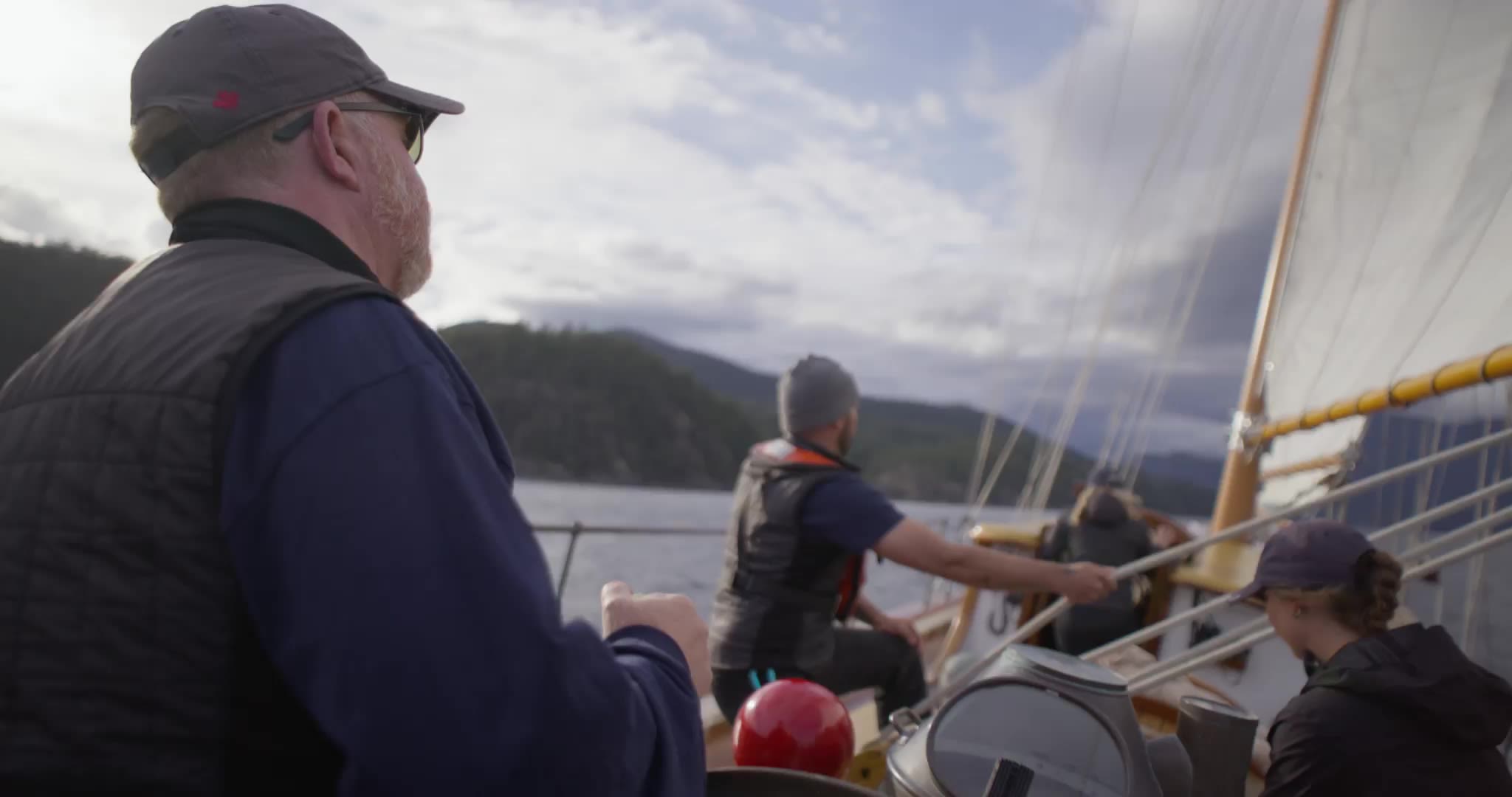
Kevin Smith has spent nearly every chapter of his life on the British Columbia coast — first as a child exploring the Gulf Islands in a small boat, later as a park ranger, and for the last 25 years, as a Captain aboard the schooner Maple Leaf and president of Maple Leaf Adventures.
He grew up on Salt Spring Island, learning the coastline by instinct and opportunity. By sixteen, he was already captaining vessels and taking people out on the water.
“I’ve always been with boats — little boats, big boats, my own boats,” he says. “And I fell deeply in love with this coast. It’s in my blood.”
After years of driving research, rescue and patrol boats on the rugged coasts for the Department of Fisheries and Oceans, Coast Guard Aux & BC Parks, Kevin sought a way to keep working out on the coast he loved. With a double major in geography and environmental studies focused on coastal resource management, he had learned to see the coast as a living system.
Tourism offered a way to share the place he knew best and help others understand how its natural systems fit together: the tides, forests, and wildlife that make this region so alive.

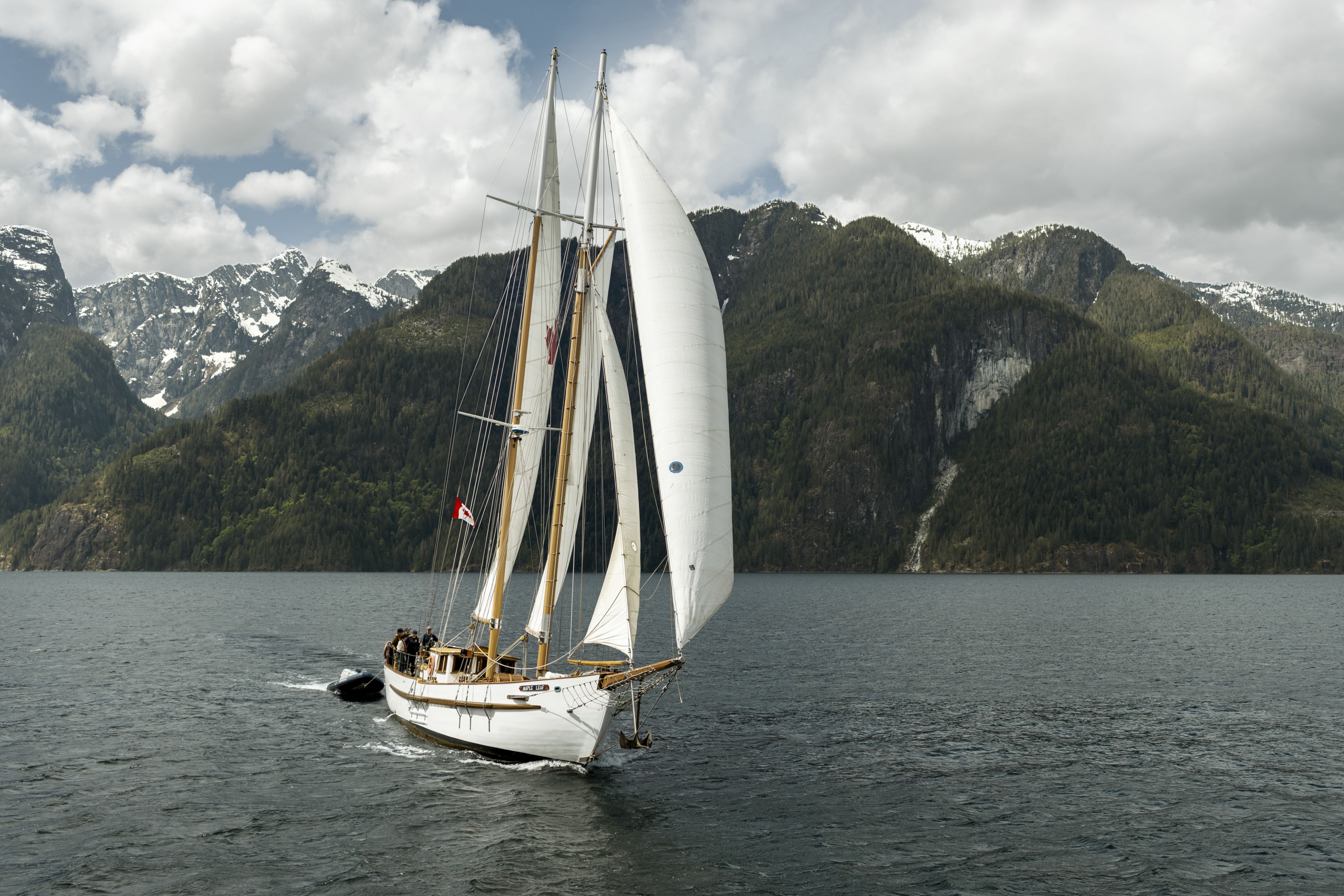

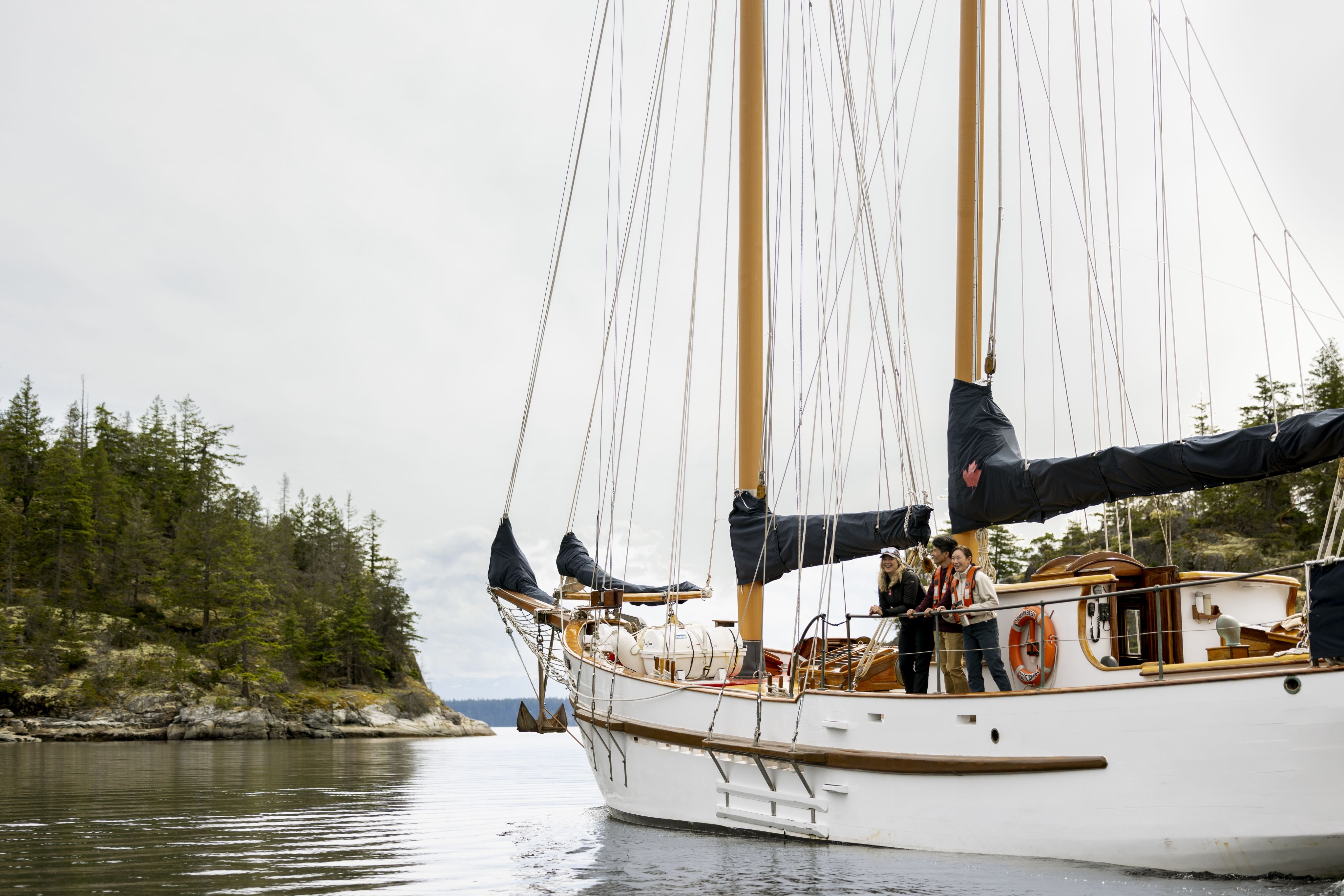

But that same education also bred a healthy skepticism toward business. “I took away from my degree that business was generally a bad thing,” he recalls.
In time, his perspective shifted. He realized he could combine his environmental background and love of the coast with a business model that was restorative, not extractive.
“I knew it wasn't going to be mass tourism because mass tourism is just another way of doing resource extraction,” Kevin says.
Instead, Maple Leaf Adventures is part of the conservation economy — where success depends on protecting healthy, intact ecosystems, not on the extraction of resources. The company’s small-ship expeditions are designed to minimize impact and keep value circulating locally.
“I made the decision to throw myself at this idea of helping the coast in a modest way within my time and career,” he says. “I set myself a goal of making things better because of my efforts.”
That philosophy underpins every voyage. Maple Leaf measures success through a “quadruple bottom line” — people, planet, purpose, and profit — and operates intentionally small, keeping tourism dollars within the communities it visits.
By showing that values-driven tourism can thrive, the company demonstrates how economic contribution without extraction can work in practice.
“You don’t just go on our trips and anchor somewhere and say, ‘Isn’t that scenery beautiful?’ It’s not just scenery. It has to be fully functioning — with wildlife, with predator-prey relationships still intact," he says.
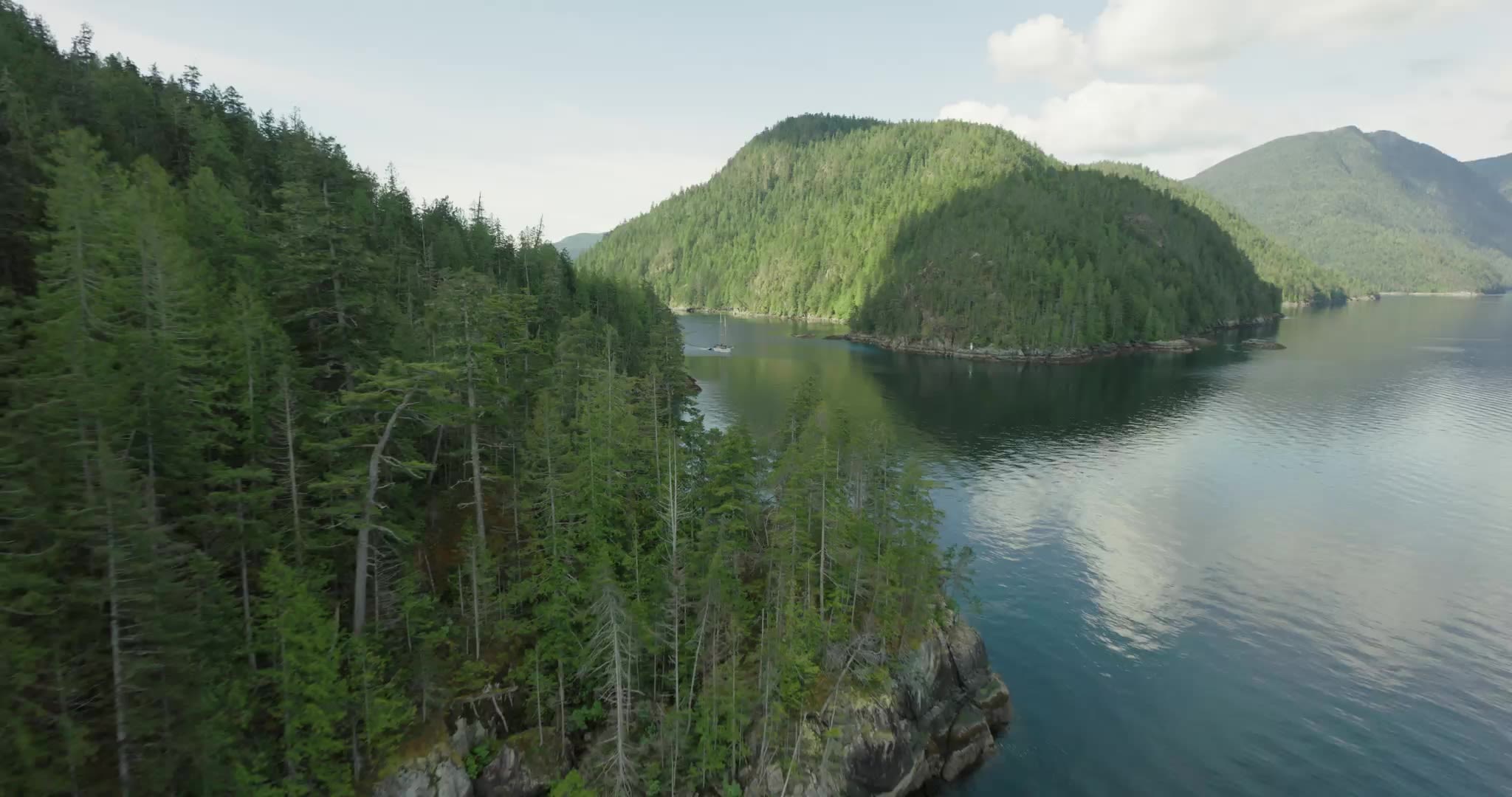
"If you’re lucky, and you have a talented guide, you can put yourself, as we say at Maple Leaf, in the path of the magic."
Working alongside environmental organizations and First Nations leadership, Kevin and his team helped end grizzly bear trophy hunting in the Great Bear Rainforest — a movement that grew to encompass the entire province.
"As far as we know, British Columbia is the largest grizzly bear sanctuary in the world," he says. And, he adds, the economy for respectful bear viewing is ten times what the economy was for trophy hunting.
That same collaborative spirit carried through the pandemic. When travel halted, Kevin gathered others in the expedition sector to use their idle ships for good.
“We knew we couldn’t go into villages, but we could still do something useful,” he says. “So we decided to clean up the marine debris washing up along the coast.”
The project began as a short-term cleanup but soon became an advocacy effort. “We realized it wasn’t enough just to clean it up,” Kevin says. “We had to start talking about where it comes from and how to stop it.”

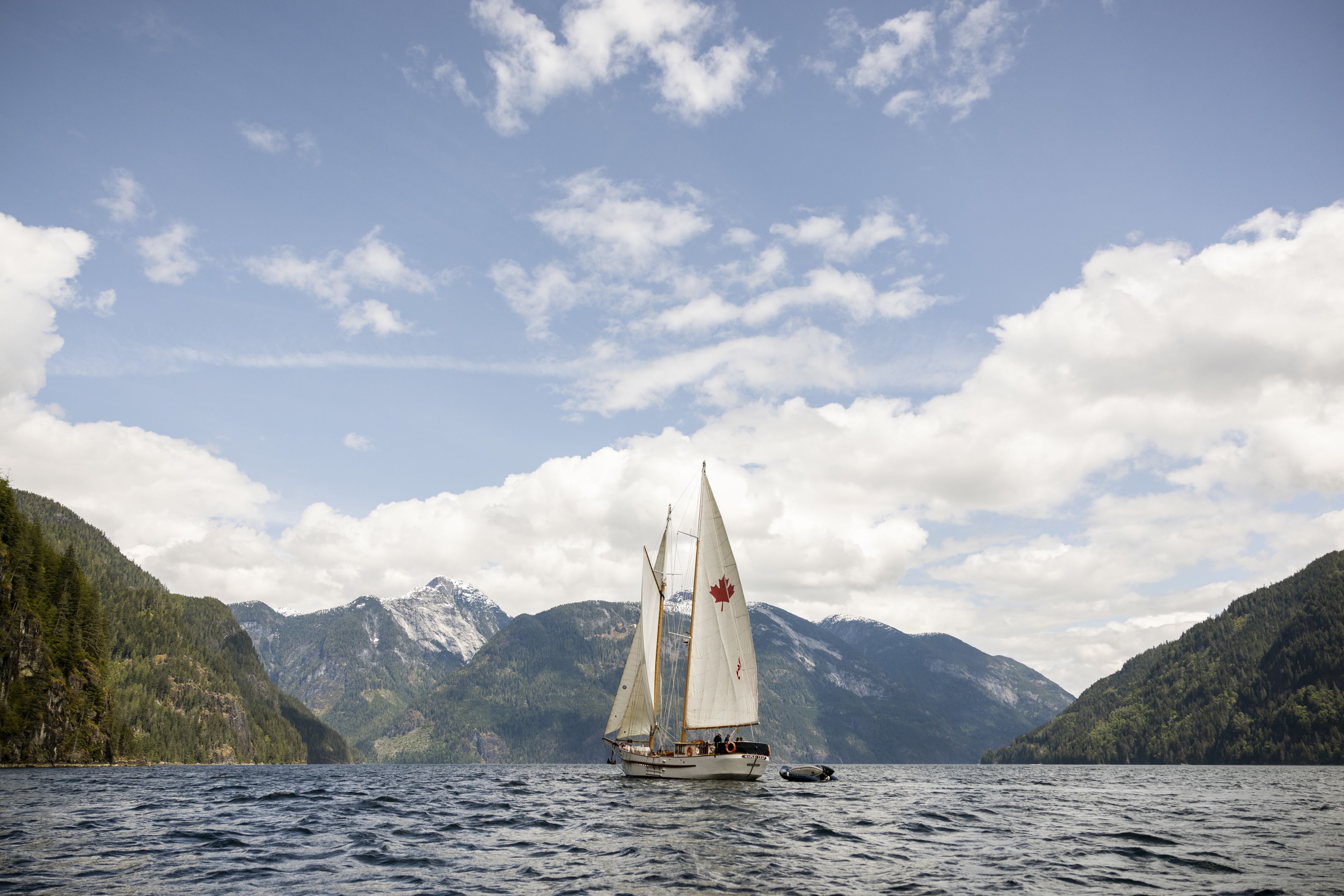
Destination BC/Abby Cooper
Destination BC/Abby Cooper
Today, every voyage on one of the company's boats includes that conversation, connecting guests to the larger systems shaping the coast. “Our guests are on holiday,” he says, “but they want to be part of the solution. It feels good to do something that matters.”
Kevin believes that tourism done right can strengthen communities and honour Indigenous leadership. “We’re welcomed guests in their territories,” he says. “The stories belong to them, not to us. Our role is to make space for those stories to be heard.”
That philosophy — collaboration over conquest, curiosity over control — remains at the core of Maple Leaf Adventures. For Kevin, it’s still a journey guided by respect for the coast and the people who call it home.
"We don’t create the magic. We don’t own the magic. The magic’s not us. But we can go out there and put ourselves in the path of the magic and just pay tribute to and observe the natural world doing what it does," he says.
"And you know what? It’s super inspiring and it changes perspectives. It changes lives. And it’s absolutely beautiful.”