The IMPACT Magazine Volume 1
Where Learning Leads the Journey
What began as an idea to bring educational, community-rooted travel home to British Columbia found fertile ground in partnerships, collaborations and support from the regenerative travel community.
By Izabela Jaroszynski
Scroll down to read

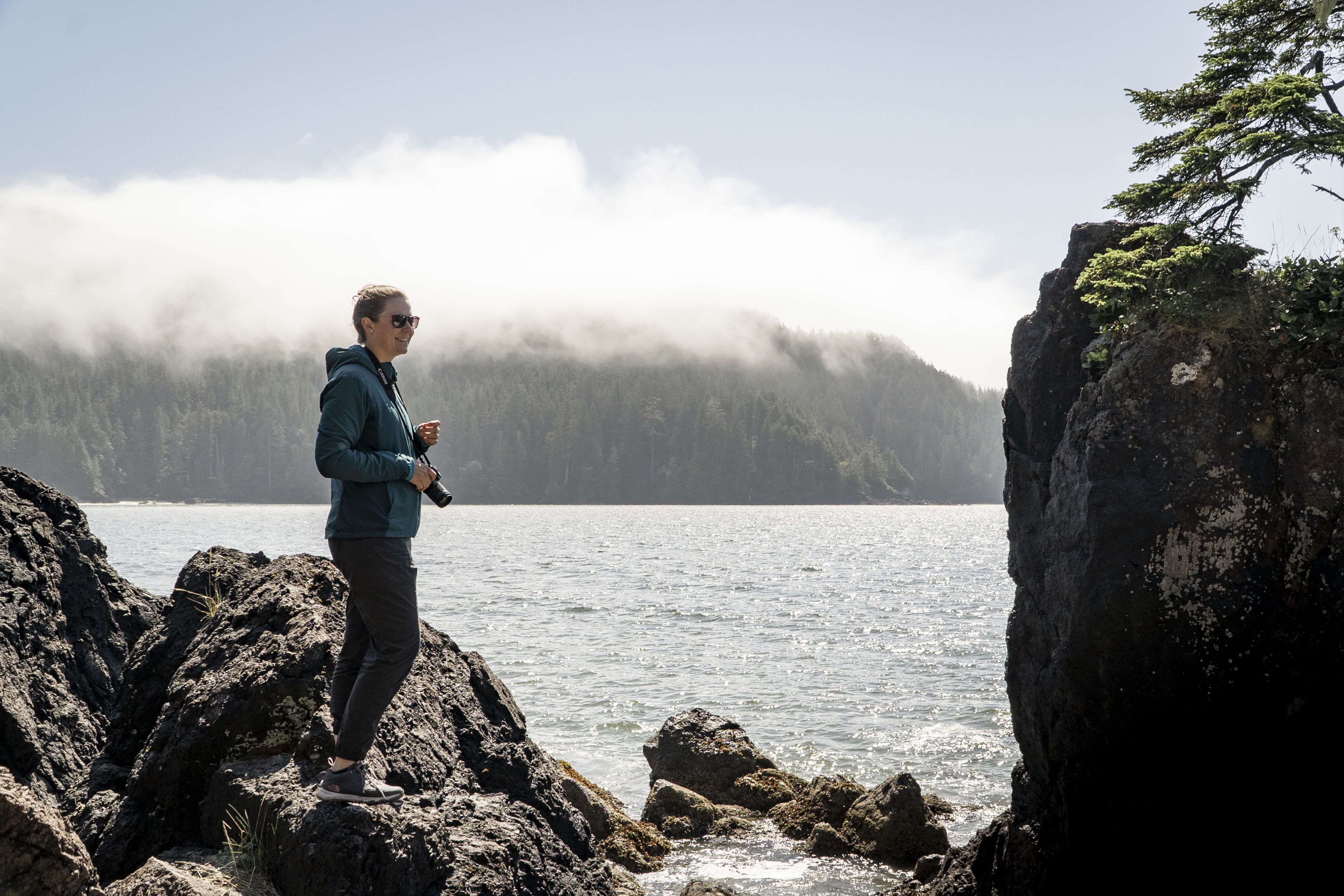
Mosaic Earth Travel began with a simple conviction: travel should deepen the connection between people and place. In Pam McGarel’s hands, that idea became a practice: trips built with local hosts, paced to let stories and lessons settle, and designed to show travellers how culture and ecology are inseparable.
Her path into entrepreneurship began during a master’s program in sustainable tourism. Pam focused on best practices in volunteer travel and studied how education could transform the travel experience. She began to wonder why meaningful, learning-based travel so often happened abroad when Canada held such a depth of culture, story, and landscape.
After completing her degree, she began sketching a company that could bring those principles home, creating experiences that would teach people about the places they visit while strengthening the communities that host them.
In early 2019, Pam attended the IMPACT Sustainability Travel & Tourism Conference in Victoria — her first professional event in the industry — and found herself surrounded by people who shared her values.
“I didn’t know anyone, and I just had to go up to people and introduce myself," she remembers. "But now every year that I go back, its like family.”
She left with new connections, mentors, and a framework for turning her ideas into something tangible. Soon after, she enrolled in the Transformational Travel Council’s design course, which helped her understand how to weave reflection, learning, and gentle challenge into trip design.


From Concept to Connection
Pam’s vision was clear from the beginning.
Mosaic Earth would not simply run tours; it would create a network of relationships that could deepen with every visit and give her travellers a well-rounded trip filled with a variety of experiences.
She began by connecting with Destination Marketing Organizations and Indigenous tourism partners to understand where her company could add value. Then, she set out to see those places for herself.
“You can only plan so much by doing your own research on the internet,” she says. “You need to really be there to experience it and connect with people face to face.”
That first summer, Pam and her husband packed their car and headed north on Vancouver Island. The trip became fieldwork: visiting communities, meeting artisans and Elders, and understanding what travellers should learn before they ever set foot on a trail.
The visits built the foundation for long-term partnerships that are the backbone of every Mosaic Earth journey.
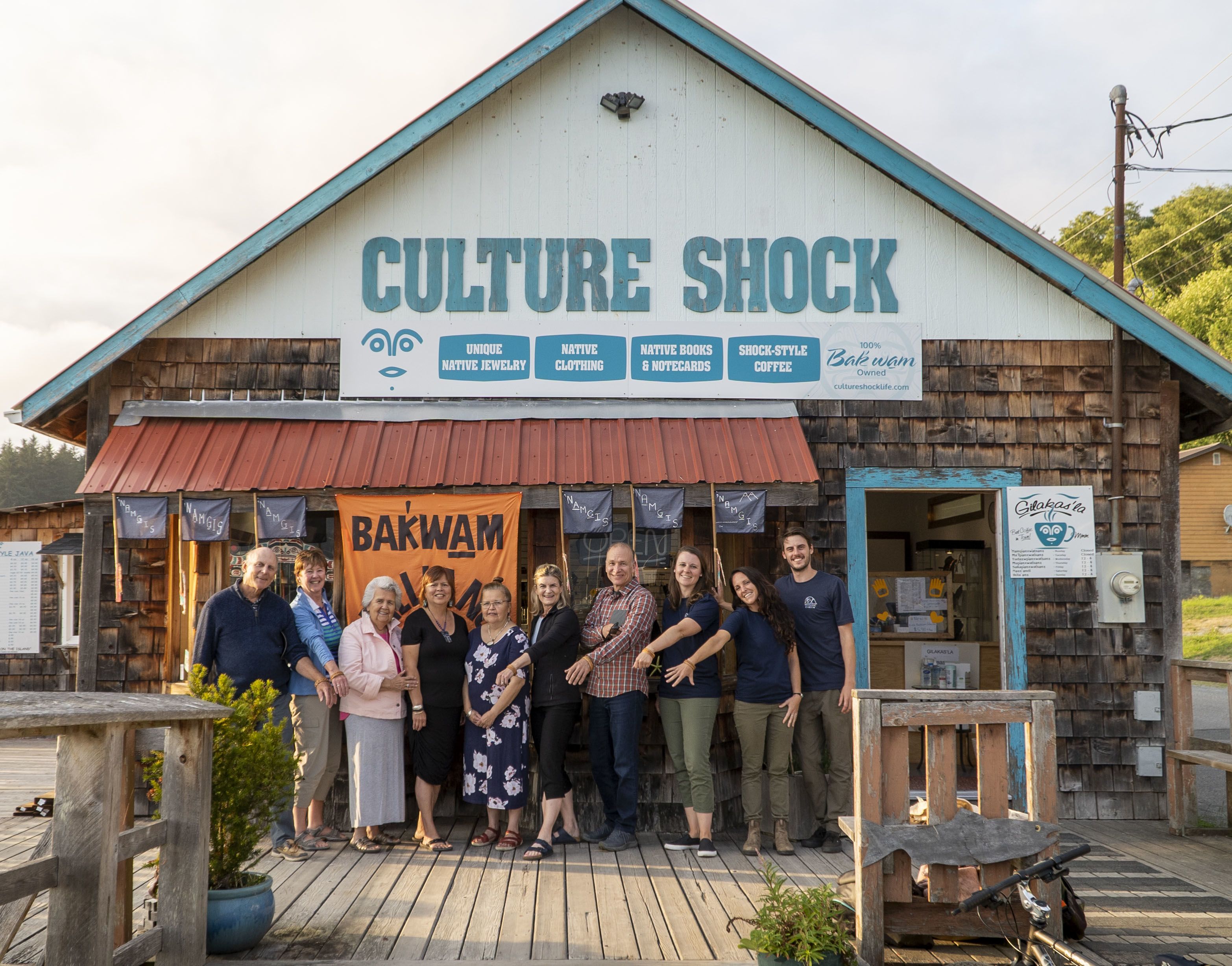
In Alert Bay, for example, she met Andrea and Donna Cranmer of the 'Namgis First Nation, who now host cedar-weaving workshops for Pam’s guests and welcome them to performances by their cultural dance group. What began as a supplier relationship evolved into friendship, sustained through phone calls and annual visits.
“Every season that I go back,” Pam says. “We stop into Andrea's shop and catch up. Over time, we've built a bond, a relationship."
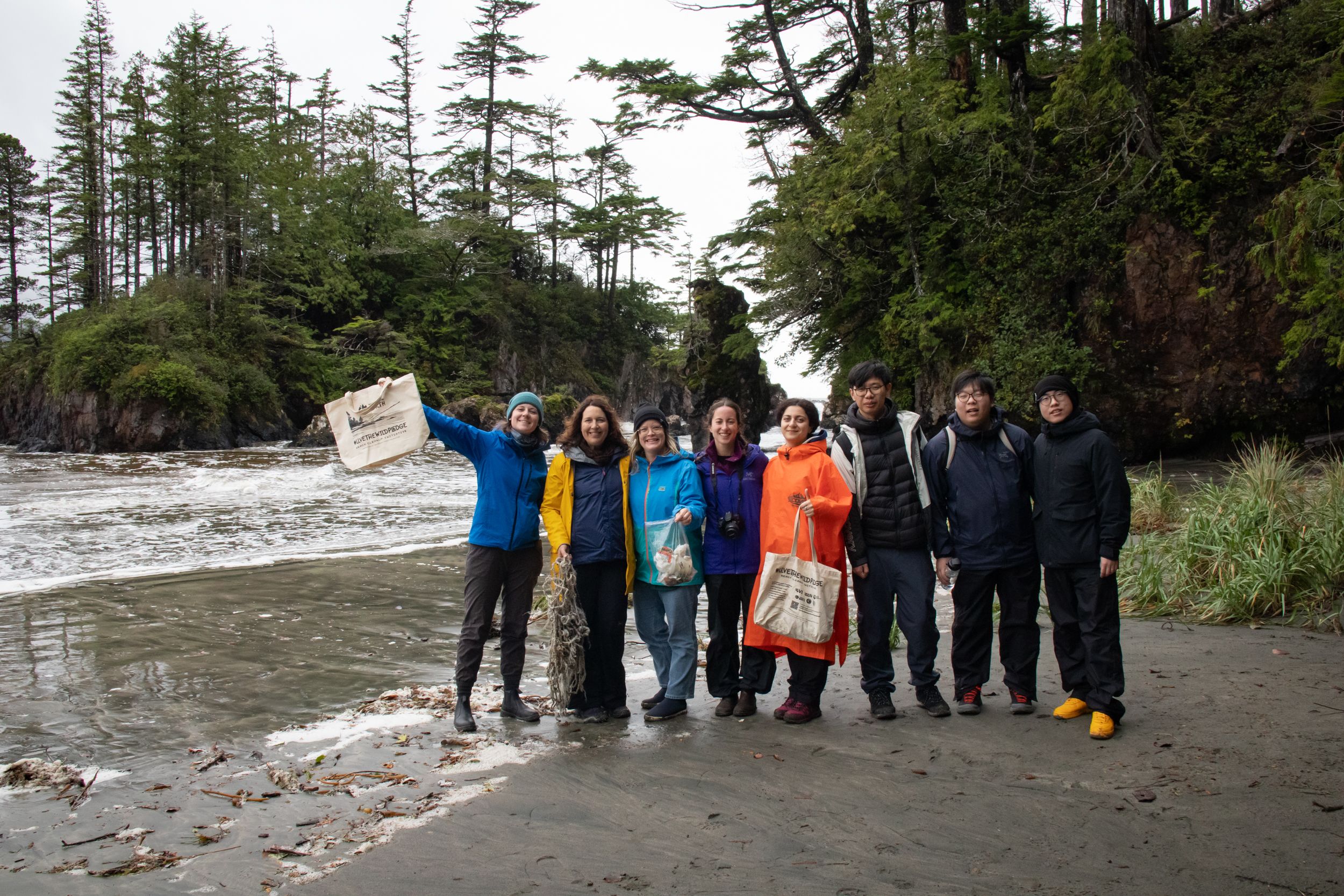
Mosaic Earth’s trips often combine outdoor activity with cultural learning: kayaking through quiet inlets, hiking forest trails, or joining researchers at the Marine Education and Research Society to hear about conservation work in local waters.
Guests see wildlife but also learn about the pressures facing these ecosystems — the logging industry, the impact of fish farms, and the realities of operating in remote regions.
“It’s not all rainbows when we're out in the field,” Pam explains. “It's important for travellers to understand these issues to frame their experience of a place and to build respect for the local people and environment."
Education is built into every step of the journey.
Before departure, travellers receive information on traditional territories, local wildlife, cultural etiquette, and low-impact travel practices. Once in the field, that learning becomes tangible. A workshop about the importance of cedar trees is followed by a hike through old-growth forest where those same trees stand sentinel. A whale-watching excursion is paired with a conversation with researchers who study the species year-round. Each moment builds on the last, creating a deeper sense of place.
Guests arrive seeking adventure, but they leave with something more lasting — empathy and knowledge.
“A lot of people book because they want to kayak or see whales and bears,” Pam says. “But when we ask what stood out most at the end of the trip, it’s almost always learning from a First Nations guide. They come away inspired by how closely they are connected to the land.”
Over time, Mosaic Earth has refined its rhythm. In the early seasons, Pam packed itineraries full of activity, wanting guests to experience as much as possible. She soon realized travellers needed time to pause, absorb, and connect. Now, her tours move at a slower pace, giving people room to reflect.
“You need that downtime for those unexpected experiences and for the learning to really take place,” she says. “That’s when the meaning sinks in.”
Building a Regenerative Model
Since launching in 2020, Mosaic Earth has evolved from a concept into a recognized model of community-led, education-focused tourism. The company’s core principle — using local operators and guides — ensures that benefits remain within the regions it serves.
But it also presents challenges. In remote areas, options for accommodation and transport can be limited. Recycling programs might not exist, and for some small businesses, sustainability initiatives must take a back seat to survival.
Pam brings pragmatism to these realities.
With experience as an assessor for GreenStep Solutions, she works with partners each season to identify small, achievable improvements.
“We do the best we can with what we have,” she says. “If a partner provides lunches, we ask about packaging. If there’s a chance to use refills instead of single-use bottles, we make that change. It’s a conversation that continues every year.”
For Pam, the real impact lies in supporting local economies and amplifying community voices.
Helping travellers understand both environmental and cultural heritage are, in her words, “the areas where we can have the most impact.”
Pam’s sustainability framework is guided by the United Nations Sustainable Development Goals, those that emphasize education, local economies, and climate action. Mosaic Earth’s tours reflect these priorities in tangible ways: supporting community livelihoods, championing responsible purchasing, and giving travellers the tools to understand their own environmental footprint.
“The SDGs give us a common language,” she says.
In 2023, Pam returned to the IMPACT conference — this time as a speaker. After her presentation, she was approached by an associate professor from Royal Roads University who invited her to teach a master’s-level responsible tourism field study. The result was a six-week course that took students to northern Vancouver Island for hands-on experience with the very stakeholders who inform Mosaic Earth’s itineraries.
“It was incredible,” Pam recalls. “Students discovered different aspects of the tourism industry they hadn't been exposed to and how research organizations, local operators, and communities all fit together.”

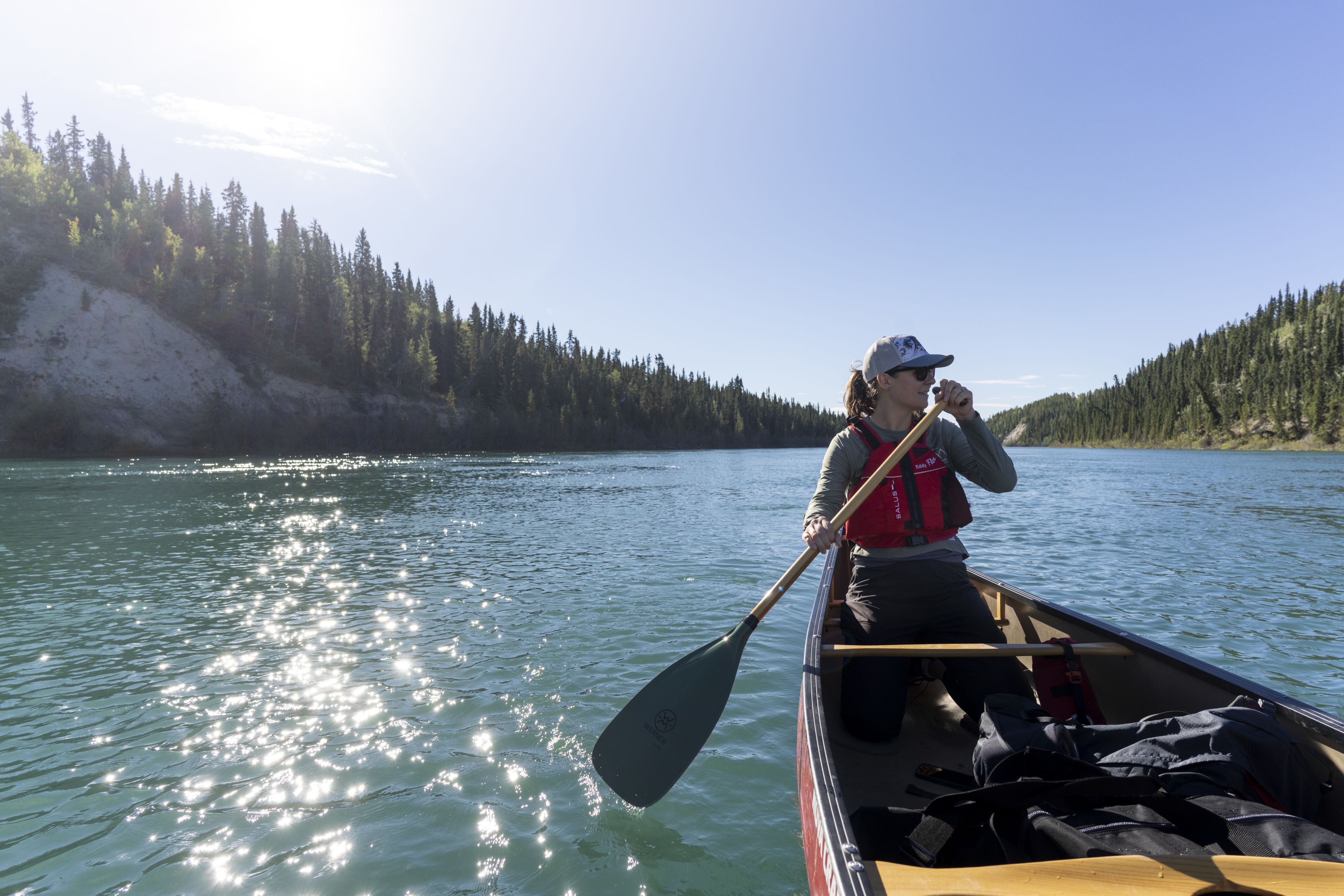

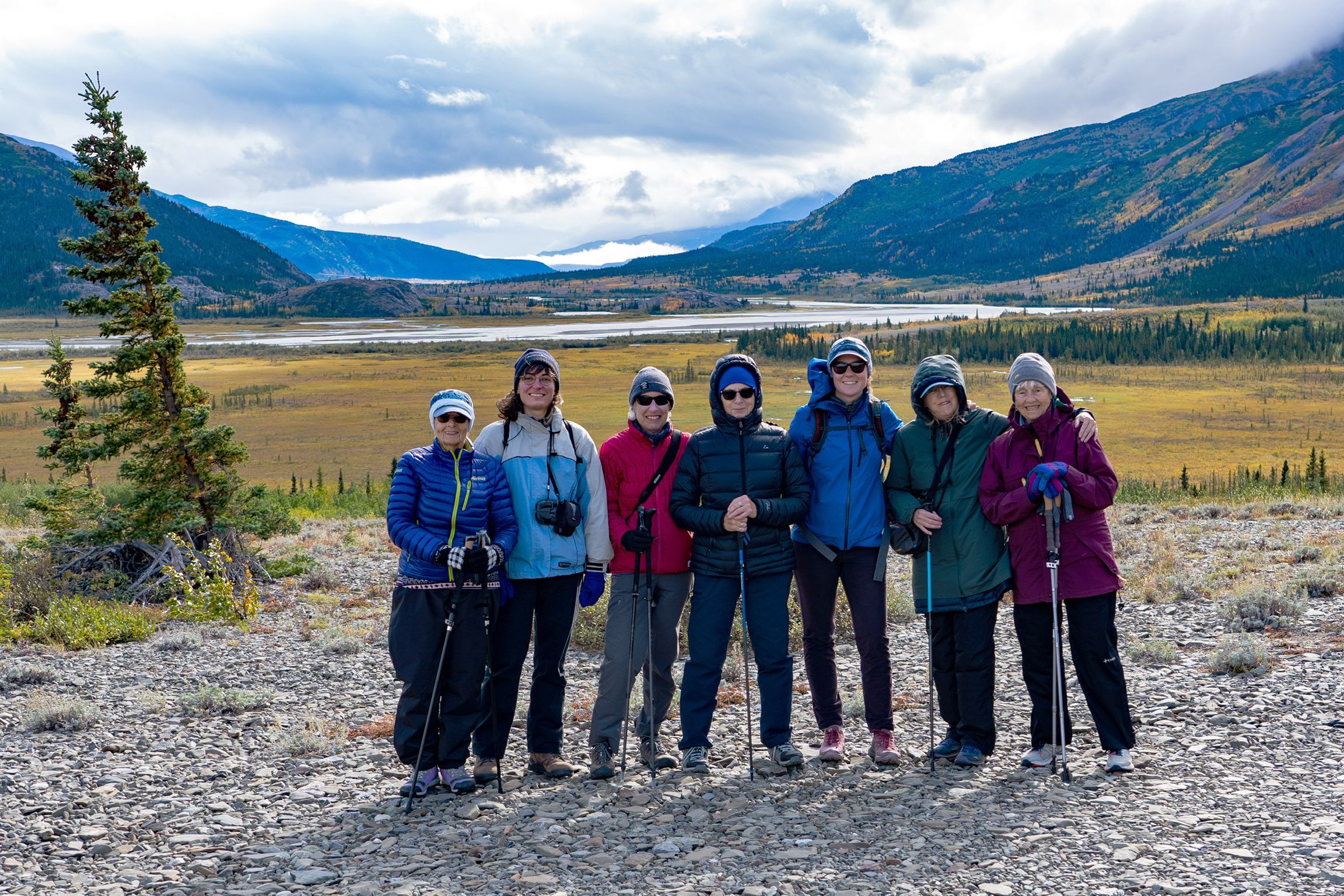


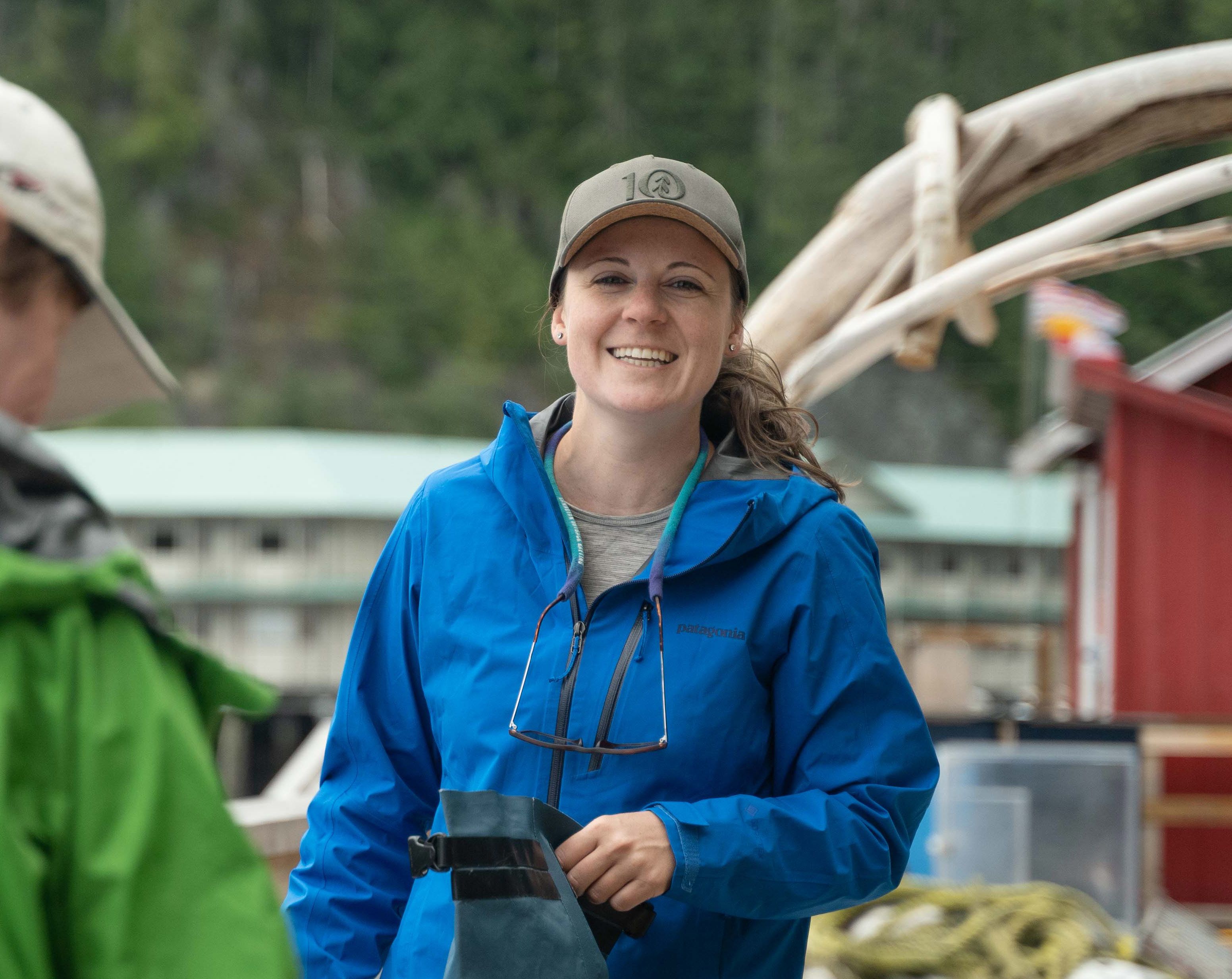

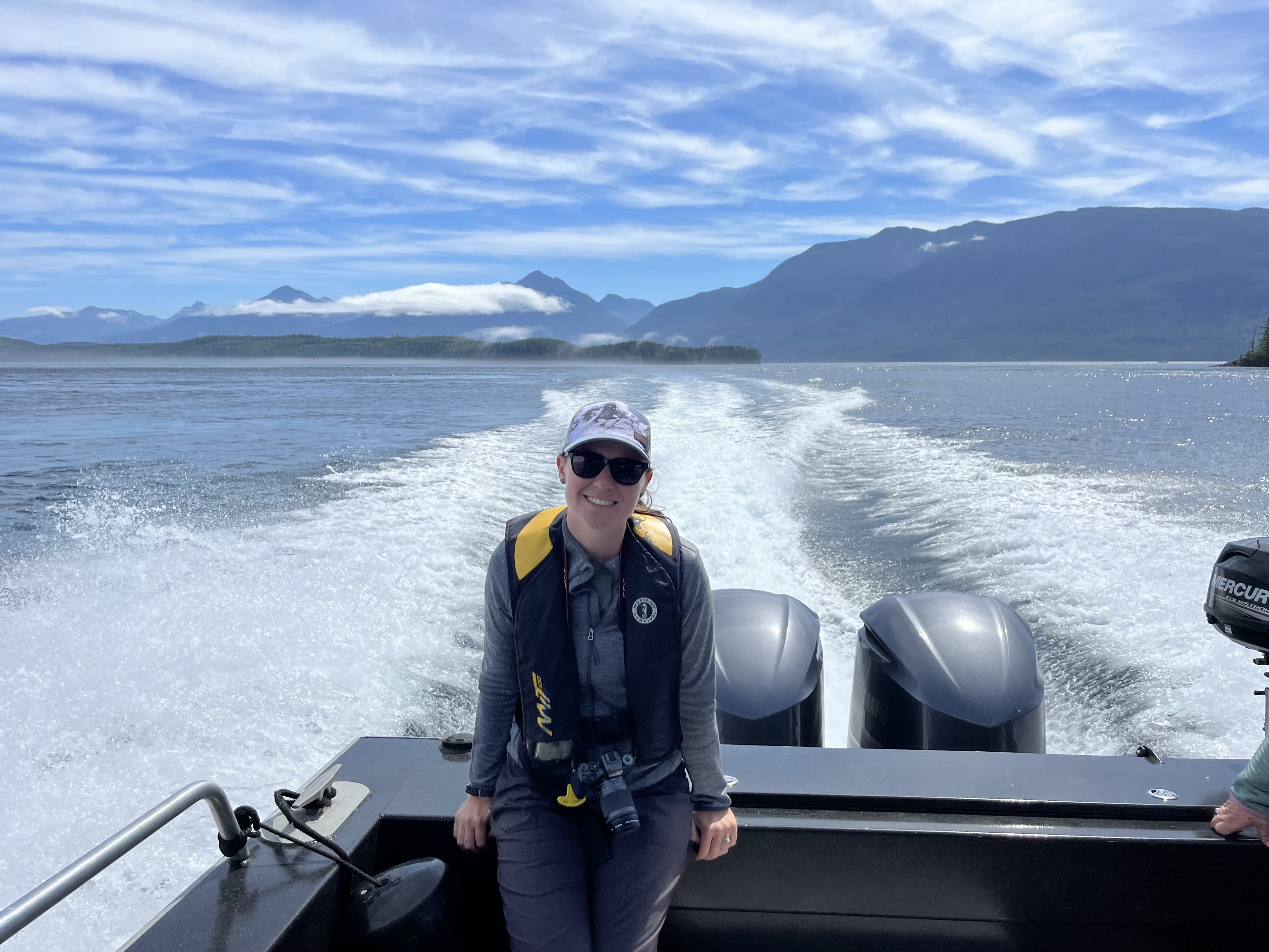


Mosaic Earth continues to grow through word-of-mouth and business-to-business partnerships that bring curious travellers from Canada and beyond. Each trip adds new layers — a new relationship, a new story, a new understanding of what responsible travel can look like in practice.
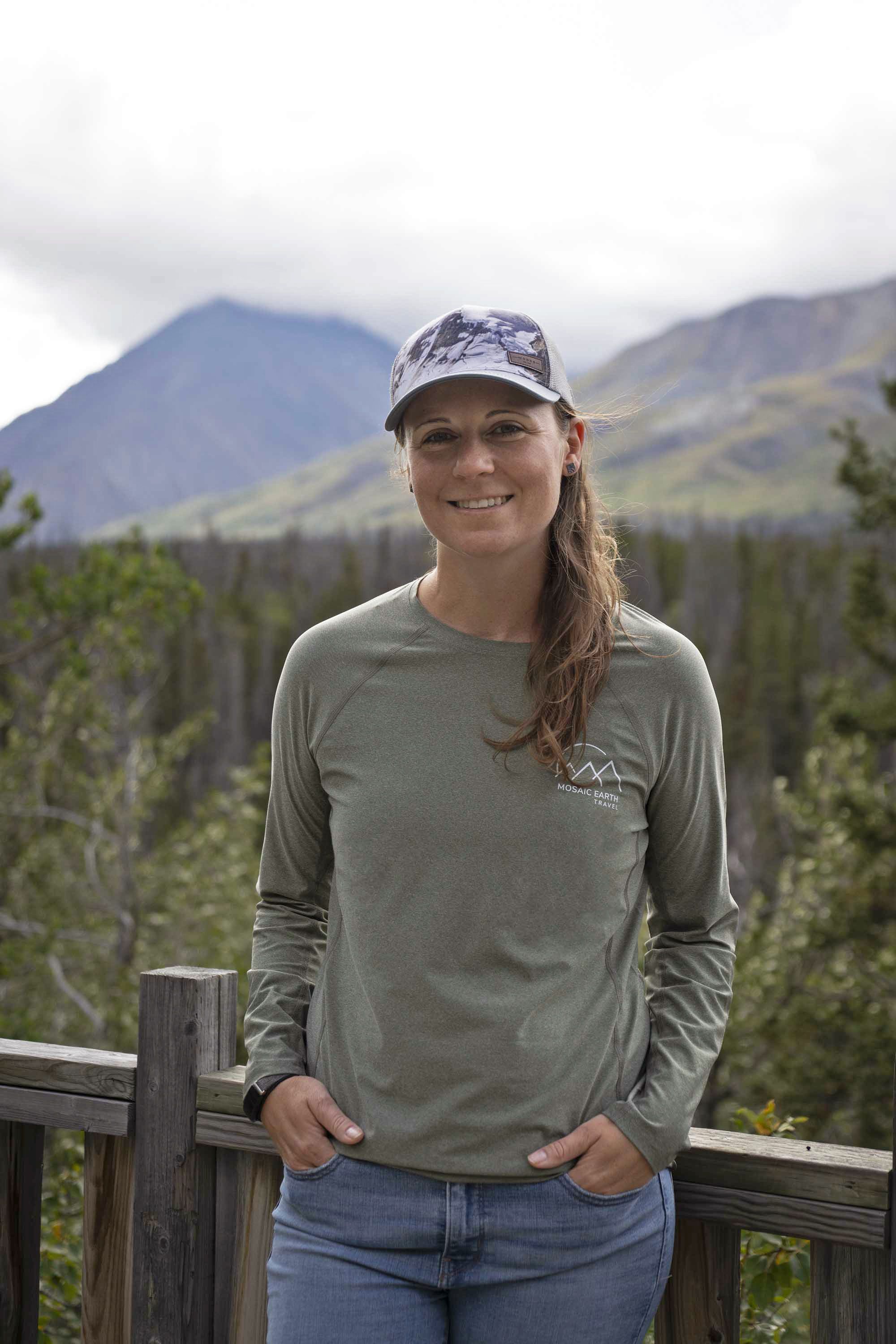
Pam still guides many of the journeys herself. Returning to familiar communities each year, she is greeted with hugs, shared meals, and new ideas for collaboration.
“It feels like family,” she says.
Those same words she once used to describe her experience with the IMPACT conference community now define her company’s spirit.